
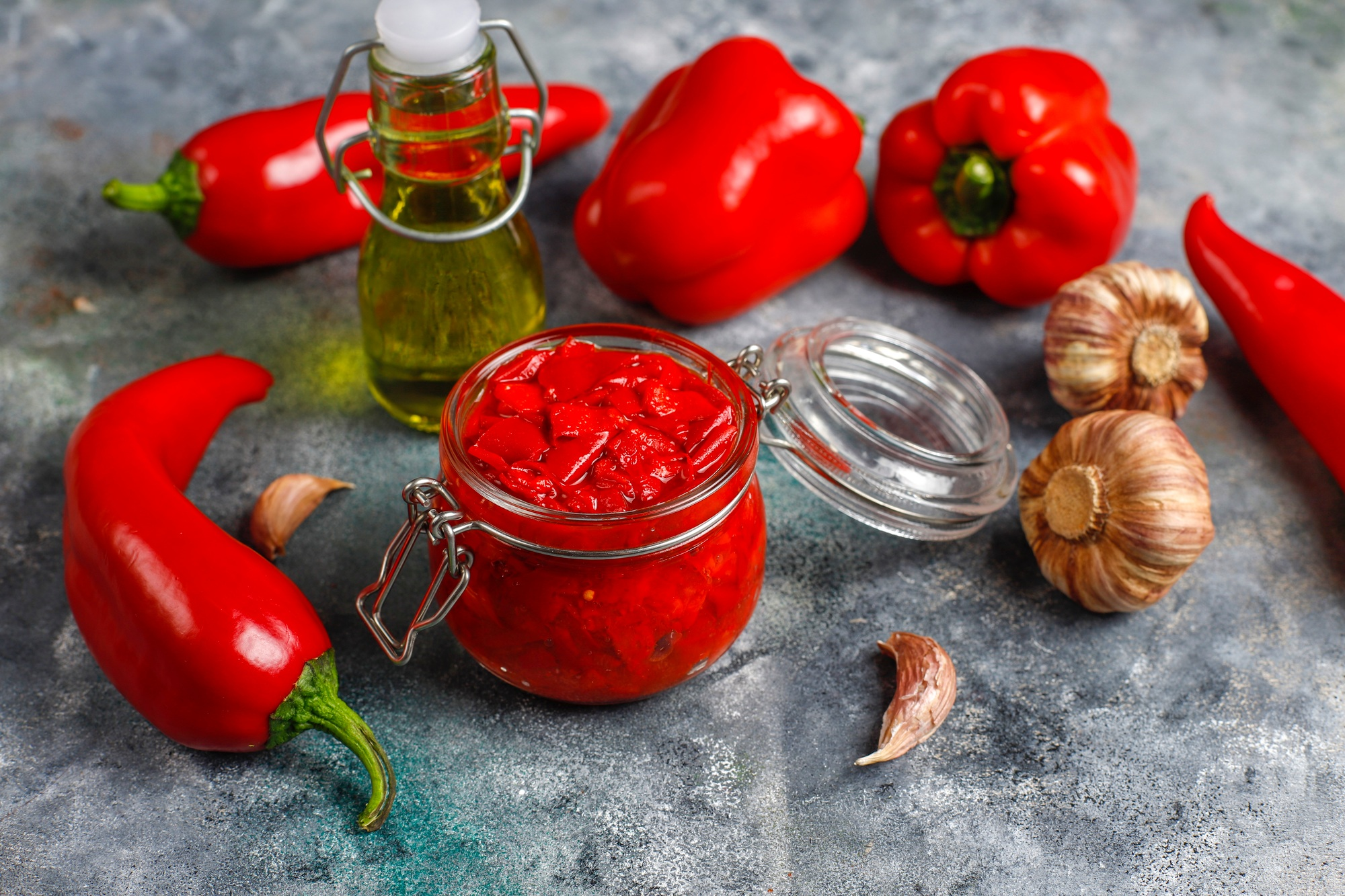
SAUCE MAKERS – Starting a hot sauce business requires the right combination of fresh ingredients, testing equipment, and packaging supplies to transform kitchen experiments into marketable products. This comprehensive guide eliminates guesswork by providing complete shopping lists for peppers, acids, measuring tools, and safety equipment needed for recipe development. Successful entrepreneurs use these ingredient lists and equipment recommendations to create unique flavor profiles and establish consistent production methods.
Hot sauce production is a process that combines ingredient selection with precise measurement and safety protocols. This guide provides everything you need to know about sourcing different pepper varieties, acidity components, and flavor combinations from your home kitchen. The goal is developing reproducible recipes that can eventually scale to commercial production through co-packing or licensed facilities.
Getting started requires fresh and dried peppers, vinegar varieties, salt options, and basic testing supplies. Advanced sauce makers may also want specialized ingredients like fermentation salt for developing complex flavors. Essential packaging components include glass hot sauce bottles and waterproof labels for product presentation.
Fresh Peppers and Heat Level Variety
Pepper selection forms the foundation of any hot sauce recipe, with this guide covering 4-6 varieties spanning different heat levels and flavor profiles. Mild peppers like poblanos and Anaheim provide base flavors without overwhelming heat. Medium varieties including jalapeños and serranos offer familiar heat with distinctive taste characteristics. Super-hot options like habaneros, ghost peppers, or Carolina Reapers enable extreme heat formulations.
“The pepper variety was crucial for understanding how different chiles affect both heat and flavor,” explains Sarah Chen, founder of Valley Fire Sauces and certified food handler. “Testing with mild poblanos taught us about smokiness, while ghost peppers showed us how capsaicin intensity changes the entire sauce profile.”
Pepper preparation involves removing stems, deseeding for milder versions, and chopping into uniform pieces for consistent cooking. Heat levels are measured in Scoville Heat Units, ranging from 1,000 for poblanos to over 2,000,000 for Carolina Reapers. Understanding these measurements helps recipe developers create predictable heat experiences for customers.
Shopping List – Pepper Varieties:
- Dried Chipotle Peppers (smoky heat, 2,500-8,000 SHU)
- Dried Ancho Peppers (mild sweetness, 1,000-1,500 SHU)
- Dried Cayenne Peppers (classic heat, 30,000-50,000 SHU)
- Dried Habanero Peppers (fruity fire, 100,000-350,000 SHU)
- Dried Ghost Peppers (extreme heat, 1,000,000+ SHU)
- Pepper Grinding Mill (for processing dried peppers)
Acid Components for Safety and Flavor
Vinegar varieties provide the acidic foundation necessary for sauce safety and shelf stability. White distilled vinegar offers neutral flavor and consistent acidity around 5%. Apple cider vinegar contributes fruity notes while maintaining proper pH levels. Rice vinegar provides mild acidity for Asian-inspired flavor profiles. Citrus acids from fresh lime, lemon, or orange juice add brightness while contributing to overall acidity requirements.
Shopping List – Acid Components:
- Organic White Vinegar (5% acidity, neutral base)
- Raw Apple Cider Vinegar (with mother, fruity flavor)
- Rice Wine Vinegar (mild, Asian-style sauces)
- Fresh Lemon Juice (bright citrus acidity)
- Fresh Lime Juice Concentrate (natural citrus brightness)
Salt Varieties and Seasoning Components
Food scientist Dr. Michael Rodriguez emphasizes salt selection in sauce development after eight years researching condiment formulations. His laboratory testing reveals how different salt types affect both preservation and taste in artisanal hot sauces.
“Sea salt provides mineral complexity that table salt cannot match, while kosher salt dissolves more evenly during cooking phases,” Rodriguez explains. “Fermented sauces benefit from specialized salts that support beneficial bacteria while inhibiting harmful microorganisms.” This guide includes multiple salt options plus basic seasonings like organic garlic powder and onion flakes.
Shopping List – Salts and Seasonings:
- Fine Sea Salt (mineral-rich, clean flavor)
- Kosher Salt (easy dissolving, even distribution)
- Fermentation Salt (pure, no additives)
- Organic Garlic Powder (essential flavor base)
- Onion Powder (aromatic depth)
- Smoked Paprika (color and smokiness)
- Ground Cumin (earthy southwestern flavor)
Testing and Safety Equipment
pH test strips provide basic acidity measurement for home production, ensuring sauces maintain safe levels below 4.6 pH. Digital thermometers monitor cooking temperatures during sauce preparation. Latex or nitrile gloves protect hands from capsaicin oils during pepper handling.
You’ll need basic measuring cups, mixing bowls, and wooden spoons designed for food preparation. Essential safety equipment includes eye protection for handling super-hot peppers and proper ventilation for indoor cooking. Important documentation includes recipe cards for recording successful formulations and ingredient ratios.
Shopping List – Testing and Safety:
- pH Test Strips (0-14 range, food grade)
- Digital Food Thermometer (instant read, waterproof)
- Nitrile Gloves (powder-free, food safe)
- Safety Glasses (pepper handling protection)
- Measuring Cup Set (stainless steel, multiple sizes)
- Digital Kitchen Scale (gram precision, 11 lb capacity)
- Wooden Mixing Spoons (non-reactive, heat resistant)
- Recipe Development Notebook (waterproof pages)
Cooking and Processing Equipment
Stainless steel pots and pans provide non-reactive surfaces essential for acid-based sauce production. Immersion blenders enable smooth texture control while food processors handle larger batches and coarse chopping. Fine-mesh strainers remove seeds and skin pieces for refined sauce consistency.
Temperature control during cooking affects both safety and flavor development. Slow simmering preserves pepper characteristics while achieving proper concentration. Proper cookware prevents metallic flavors that can compromise sauce quality.
Shopping List – Cooking Equipment:
- Stainless Steel Saucepan (3-quart, heavy bottom)
- Immersion Blender (variable speed, dishwasher safe)
- Food Processor (7-cup capacity, multiple blades)
- Fine Mesh Strainer (stainless steel, 6-inch)
- Glass Mixing Bowls (nested set, measurement marks)
- Silicone Spatula Set (heat resistant, non-stick safe)
- Bamboo Cutting Board (knife-friendly, antimicrobial)
Bottles, Labels, and Packaging Supplies
Glass bottles in 2-ounce and 5-ounce sizes accommodate different product positioning and price points. You’ll want sample bottles for recipe testing plus finished bottles for initial sales. Waterproof labels withstand refrigeration and handling while displaying product information clearly.
Basic packaging supplies enable immediate product presentation for farmers markets or direct sales. Essential components include bottle caps, shrink bands for tamper evidence, and instruction sheets for proper filling and sealing techniques. Advanced entrepreneurs may also want custom label templates for brand development.
Shopping List – Packaging:
- 2oz Glass Hot Sauce Bottles (12-pack, sample size)
- 5oz Glass Hot Sauce Bottles (12-pack, retail size)
- Metal Bottle Caps (lined, tamper-evident)
- Waterproof Labels (2″ x 4″, white, 100-pack)
- Shrink Bands (tamper-evident seals, 100-pack)
- Bottle Filling Funnel (stainless steel, narrow spout)
- Manual Label Applicator (consistent placement)
- Custom Label Templates (editable design files)
Getting Started: Your First Batch
Following this complete guide enables immediate sauce development and testing. Beginning entrepreneurs can start experimenting with recipes while learning proper safety protocols and testing procedures. This comprehensive resource eliminates multiple shopping trips and ensures you have compatible components.
Advanced sauce makers may want additional seasonings, multiple bottle sizes, and professional-grade testing equipment for serious development work. Beginners should focus on basic pepper varieties and essential safety equipment for budget-conscious experimentation. All recommendations include detailed instruction guidance and recipe development techniques.
Start with small batches using the basic ingredient list, then expand your pepper varieties and equipment as you develop signature recipes. Document everything in your recipe notebook to ensure reproducible results when scaling production.
Equipment and ingredient recommendations derive from analysis of successful sauce entrepreneur experiences, home production requirements, and basic food safety protocols. Research included evaluation of ingredient sourcing, equipment needs, and packaging standards for small-batch sauce development and initial market testing.
Key Takeaways
- With this kit, you’ll have everything you need to start making hot sauce at home with the right peppers, vinegar, testing gear, and bottles.
- Try different pepper types to find your perfect heat level and flavor combo that makes your sauce stand out from the crowd.
- Get the basic safety equipment and pH strips so you can make sauce that’s consistent, delicious, and safe to sell.
Keep Reading
- Which Peppers Should I Use for Hot Sauce? – Learn about heat levels and flavors to pick the right peppers for your recipe.
- How to Make Safe Hot Sauce at Home – Simple safety tips and pH testing so your sauce won’t make anyone sick.
- How to Create Your Own Hot Sauce Recipe – Step-by-step guide to mixing flavors and perfecting your signature sauce.
- How to Sell Hot Sauce at Farmers Markets – Everything you need to know about pricing, permits, and finding customers.
- How to Turn Your Hot Sauce Recipe into a Real Business – When you’re ready to go from kitchen batches to actual production.