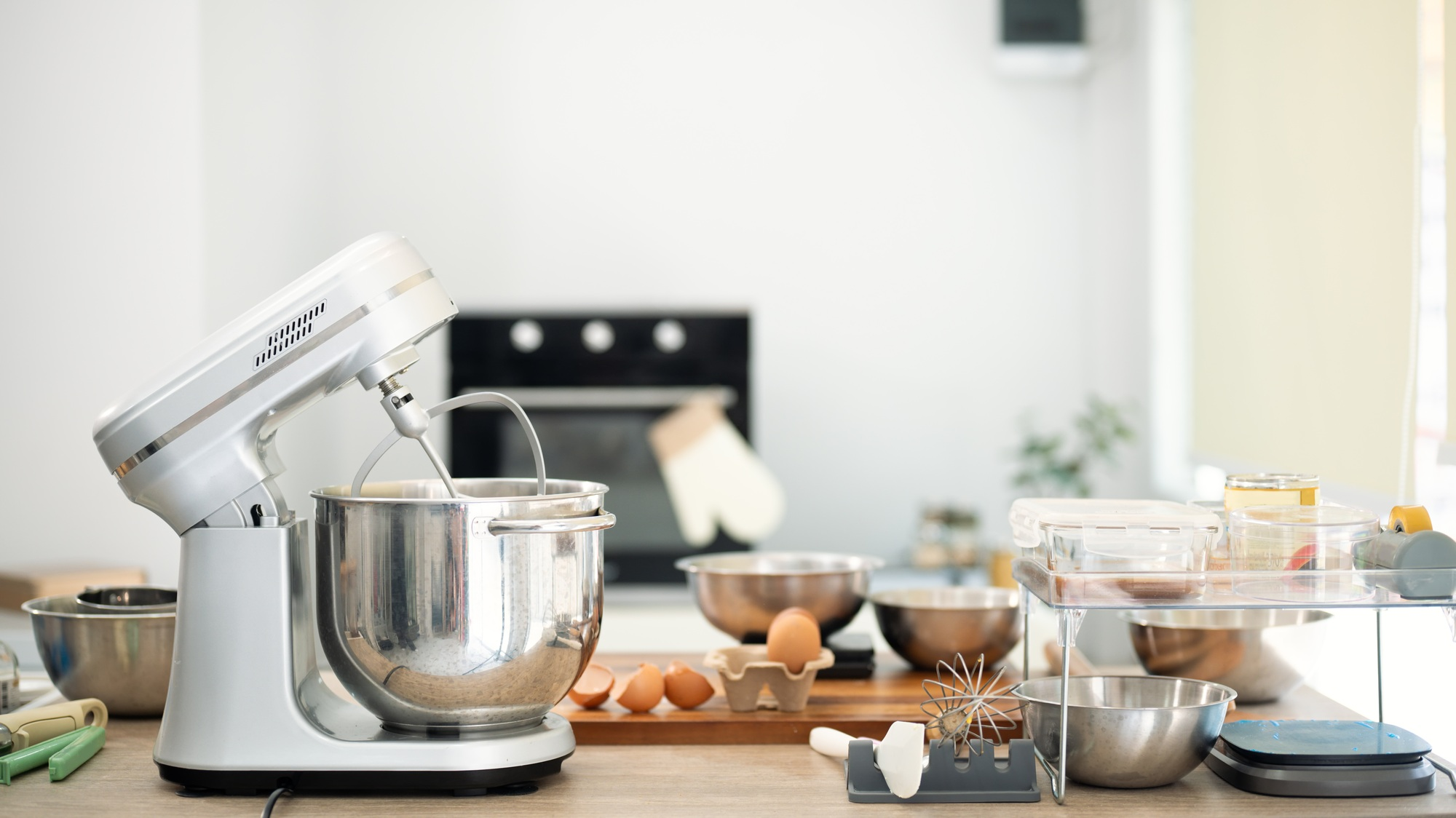
Walk into any kitchen store and you’ll find stand mixers prominently displayed with price tags that make you pause. These countertop titans cost anywhere from $200 to $600, taking up significant space and requiring a real commitment. Meanwhile, a simple hand mixer costs $20-50 and fits in any drawer. The question isn’t whether stand mixers work better – they obviously do – but whether that superior performance justifies the substantial investment for your specific baking habits and kitchen needs.
The Real Cost of Stand Mixers vs Hand Mixing
The financial gap between stand mixers and hand mixing tools reveals why this decision requires careful consideration for most home bakers.
Stand Mixer Investment Breakdown
Entry-level stand mixers start around $200 for basic models, while mid-range options cost $300-450, and professional-grade units reach $500-600. Beyond the initial purchase, stand mixers require counter space, occasional maintenance, and potential attachment purchases that can add $50-200 to your total investment over time.
Hand Mixing Equipment Costs
Hand mixing requires minimal investment. A quality hand mixer costs $20-50, while manual tools like whisks, wooden spoons, and mixing bowls total under $30. These tools last for years, require no maintenance, and store easily in any kitchen drawer or cabinet.
Hidden Costs and Considerations
Stand mixers consume electricity, typically using 250-300 watts during operation. They also demand permanent counter space or strength to move them regularly, as most models weigh 20-25 pounds. Hand mixing has zero operating costs and maximum flexibility for storage and portability.
When Stand Mixers Excel Over Hand Mixing
Stand mixers demonstrate clear advantages in specific baking scenarios that justify their higher cost for frequent bakers.
Bread Making and Heavy Doughs
Stand mixers transform bread making from an exhausting workout into an effortless process. Kneading bread dough by hand requires 8-12 minutes of intensive work and develops proper gluten through repetitive motion that can strain wrists and arms. Stand mixers accomplish the same task in 5-8 minutes while you prepare other ingredients or clean up.
Large Batch Baking
When making cookies for events, holiday treats for gifting, or meal prep baking, stand mixers handle double and triple batches without strain. Hand mixing large quantities becomes progressively more difficult and time-consuming, while stand mixers maintain consistent performance regardless of batch size.
Challenging Techniques
Meringues, whipped cream, and butter-heavy frostings demand sustained mixing that can take 10-15 minutes by hand. Stand mixers excel at these techniques, maintaining consistent speed and freeing your hands for other tasks. The superior motor power creates better texture and volume in these delicate preparations.
Multitasking During Baking
Stand mixers allow simultaneous food preparation while mixing occurs. You can measure subsequent ingredients, preheat ovens, or prepare pans while the mixer works independently. This efficiency becomes invaluable when preparing complex recipes or multiple items simultaneously.
When Hand Mixing Remains the Better Choice
Many baking scenarios favor hand mixing over expensive stand mixer investments, particularly for casual bakers.
Simple Recipe Preparation
Basic muffins, pancakes, quick breads, and simple cake batters mix perfectly by hand in 2-3 minutes. These recipes often benefit from minimal mixing to avoid tough, dense results that overpowered stand mixers can accidentally create.
Small Quantity Baking
Single batches of cookies, small cakes, or experimental recipes work better with hand mixing. Stand mixer bowls often prove too large for small quantities, preventing proper ingredient incorporation and making cleanup unnecessarily complicated.
Occasional Baking Habits
Bakers who make treats monthly or less frequently cannot justify stand mixer costs through regular use. Hand mixing tools provide identical results for simple recipes while maintaining kitchen simplicity and avoiding appliance storage challenges.
Kitchen Space Limitations
Small kitchens, apartments, or temporary living situations make stand mixer storage impractical. Hand mixing tools require minimal space and adapt to any kitchen configuration without compromising functionality or convenience.
The Frequency Factor: Calculating Your Breakeven Point
The investment in a stand mixer pays off based on baking frequency and complexity rather than simple cost analysis.
Weekly Baking Frequency
Baking twice weekly or more creates scenarios where stand mixer time savings justify the investment. At 15-20 minutes saved per baking session, frequent bakers recover their time investment within months while improving their baking experience and results.
Recipe Complexity Analysis
Bakers who regularly attempt challenging recipes like artisan breads, layered cakes, or delicate pastries benefit immediately from stand mixer capabilities. These recipes often require techniques that hand mixing cannot replicate effectively or efficiently.
Batch Size Considerations
Holiday bakers, those who meal prep, or people who bake for large families find stand mixers essential for managing quantity demands. The ability to handle large batches without fatigue or quality compromise justifies the investment for these specific needs.
Performance Comparison: Real-World Testing
Direct comparisons reveal where each method excels and where compromises occur in actual baking scenarios.
Mixing Time and Effort
Stand mixers complete most mixing tasks 40-60% faster than hand methods while requiring zero physical effort. However, setup and cleanup time can offset this advantage for simple recipes, making hand mixing more efficient for quick preparations.
Texture and Quality Results
Stand mixers produce superior texture in butter-heavy batters, create better volume in whipped preparations, and develop gluten more effectively in bread doughs. Hand mixing excels at delicate folding techniques and provides better control for recipes requiring minimal mixing.
Consistency and Reliability
Stand mixers deliver identical results every time through consistent speed and thorough mixing. Hand mixing results vary based on technique, effort level, and experience, though skilled bakers often prefer this control for specific applications.
The Learning Curve Factor
Both methods require skill development, but the learning curves differ significantly in complexity and time investment.
Stand Mixer Mastery
Stand mixers require understanding speed settings, attachment selection, and timing to avoid overmixing. New users often struggle with proper bowl positioning, ingredient addition timing, and recognizing visual cues for doneness. This learning process typically takes several baking sessions to master.
Hand Mixing Technique Development
Hand mixing builds fundamental baking skills including recognizing proper texture, understanding ingredient behavior, and developing timing instincts. These foundational skills benefit all future baking endeavors and create more intuitive bakers over time.
Skill Transfer Benefits
Experienced hand mixers adapt easily to stand mixers, while stand mixer users often struggle when hand mixing becomes necessary. Learning hand mixing first creates more versatile bakers with better technique understanding and problem-solving abilities.
Storage and Maintenance Reality
The practical aspects of ownership significantly impact the long-term value of stand mixer investments.
Counter Space Requirements
Stand mixers demand 12-15 inches of counter depth and 8-10 inches of width for safe operation. Most models require permanent counter placement due to their weight and size, reducing available workspace for other cooking activities and kitchen appliances.
Cleaning and Maintenance
Stand mixers involve multiple components requiring separate cleaning after each use. Bowl, beaters, and attachment cleaning takes 5-8 minutes, while the mixer base needs regular wiping and occasional deep cleaning. Hand mixing tools clean quickly and completely in standard dishwashing.
Long-term Durability
Quality stand mixers last 15-20 years with proper maintenance, but motor issues, gear problems, or electronic failures can require expensive repairs. Hand mixing tools rarely break and cost little to replace when worn out, making them essentially maintenance-free investments.
Making the Right Choice for Your Kitchen
The decision between stand mixers and hand mixing depends on honest assessment of your baking habits, kitchen constraints, and long-term cooking goals.
Choose a Stand Mixer If You
Bake bread regularly, make large batches frequently, attempt challenging recipes often, have adequate counter space, and view baking as a serious hobby or regular family responsibility. The investment pays off through time savings, improved results, and expanded recipe possibilities.
Stick with Hand Mixing If You
Bake occasionally, prefer simple recipes, have limited kitchen space, enjoy the meditative aspects of hand mixing, or want to maintain maximum kitchen flexibility. Hand mixing provides excellent results for most home baking needs without significant investment or storage commitment.
Consider Your Future Baking Goals
Evaluate whether your baking interests are likely to expand toward more complex recipes or increased frequency. Some bakers benefit from starting with hand mixing to develop skills, then upgrading to stand mixers as their interests and abilities grow over time.
Alternative Solutions and Compromises
Several middle-ground options exist for bakers unsure about committing to either extreme approach.
Hand Mixer Upgrades
High-quality hand mixers with multiple speeds and specialized attachments bridge the gap between basic hand mixing and full stand mixers. These tools cost $40-80, store easily, and handle most mixing tasks effectively while providing more power than manual methods.
Borrowed or Shared Equipment
Consider borrowing stand mixers for occasional large projects or sharing ownership with friends or family members. This approach provides access to stand mixer capabilities without full investment or storage commitment for infrequent users.
Used Equipment Markets
Quality used stand mixers often cost 40-60% less than new models while providing identical performance. This option makes stand mixer ownership more accessible for budget-conscious bakers who want the capabilities without premium pricing.
Environmental and Sustainability Considerations
The environmental impact differs significantly between stand mixer ownership and hand mixing approaches, affecting long-term sustainability decisions.
Energy Consumption Patterns
Stand mixers consume electricity with each use, contributing to household energy costs and environmental impact. Frequent bakers using stand mixers 2-3 times weekly can expect 10-15 kWh additional monthly consumption, while hand mixing requires zero energy input.
Manufacturing and Disposal Impact
Stand mixers require significant materials and energy to manufacture, ship, and eventually dispose of or recycle. Hand mixing tools have minimal manufacturing impact and last decades with proper care, creating less environmental burden over their useful life.
Longevity and Replacement Cycles
Quality stand mixers last 15-20 years but eventually require replacement due to motor wear or technological obsolescence. Hand mixing tools can last lifetimes and often improve with age, particularly wooden spoons and whisks that develop better mixing characteristics through use. This reflects broader principles of sustainable consumption in kitchen equipment choices.
Key Takeaways
- Stand mixers justify their $200-600 cost for bakers who make bread regularly, handle large batches, or bake more than twice weekly consistently.
- Hand mixing remains perfectly adequate for occasional bakers and simple recipes, while requiring minimal investment, storage space, and maintenance over time.
- The investment pays off primarily through time savings and expanded recipe capabilities rather than dramatically improved results for basic baking tasks.
Keep Reading
- Essential Baking Tools Every Beginner Needs: Start with These 8 Items – Discover the fundamental baking equipment that provides maximum versatility and value for new bakers building their kitchen toolkit.
- Bread Making Equipment Guide: Hand Kneading vs Stand Mixer vs Bread Machine – Compare different bread making methods and equipment to find the best approach for your baking style and kitchen setup.
- Small Kitchen Baking Setup: Maximize Results in Minimal Space – Learn space-saving strategies and multi-purpose tool selection for creating functional baking spaces in apartments and compact kitchens.
- Stand Mixer Buying Guide: Features, Sizes, and Brand Comparisons – Download our detailed comparison chart covering motor power, bowl capacity, and attachment compatibility across different stand mixer models.
- Master Hand Mixing Techniques: Professional Results Without Power Tools – Develop fundamental mixing skills and learn professional techniques for achieving perfect texture and consistency using only manual tools.