Visitors make booth entry decisions in just 3.2 seconds based on visual processing, according to behavioral science research that reveals how spatial design affects decision-making processes. Strategic booth setup techniques, including placing best sellers at the front with proper signage, have proven to increase vendor sales by up to 20%. Understanding how customers behave at craft shows becomes essential for converting browsers into buyers, as the visual presentation of your booth serves as your first and often most important sales tool.
Harvard psychology research indicates that 95% of buying decisions are made subconsciously, making the booth environment and customer psychology critical factors in successful craft show sales. Most visitors follow predictable movement patterns, including walking the perimeter of trade show floors before venturing into inner aisles, providing strategic opportunities for booth placement and design. This research demonstrates why booth design extends far beyond aesthetics—it functions as a psychological tool that influences customer behavior and purchasing decisions.
Industry professionals commonly aim to sell 10 times their booth fee as a benchmark for successful craft fair participation, making strategic setup essential for reaching revenue goals. Expert vendors emphasize that booth layout, customer interaction techniques, and product presentation work together to create environments that draw people in and keep them engaged. These evidence-based strategies help craft vendors transform their booth space from simple product display into an engaging retail experience that drives measurable sales increases.

Master Visual Psychology and Booth Layout Design
MIT research found that logos are processed like faces in the brain, making familiar brands feel more connected to viewers and activating positive neural responses. Colors affect customer behavior within 150 milliseconds, with red grabbing attention and conveying urgency, blue building trust and professionalism, and green suggesting sustainability and calm. Understanding these psychological principles allows craft vendors to choose colors and branding elements that align with their target market’s emotional responses and purchasing behaviors.
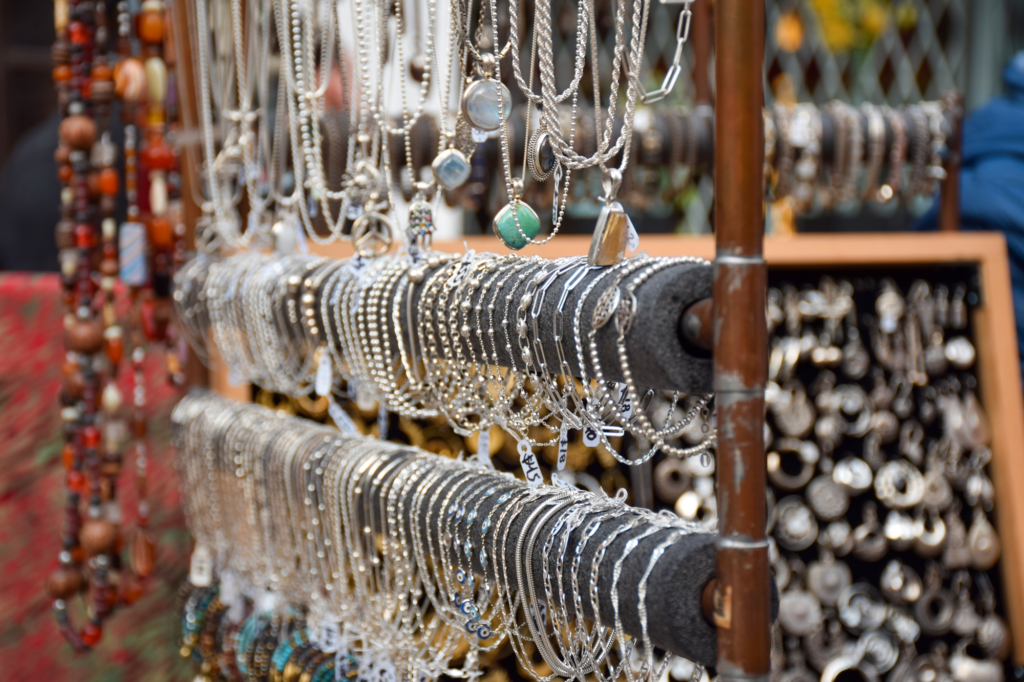
Using different heights creates contrast, depth, and dimension in displays while maximizing space and making products more visible and accessible to customers. Objects lying flat on tables are easily overlooked, while vertical displays make goods visible from a distance and position valuable items at eye level, where customers perceive them as most valuable. Utilize shelves, risers, and hangers to display crafts at different heights, drawing attention to products while maximizing limited booth space effectively.
Trade show booth display psychology suggests creating defined pathways that guide attendees through a visual journey, using central welcoming entrances followed by strategically placed displays, interactive zones, and informational stations. Experienced vendors recommend arranging tables in horseshoe shapes with vendors positioned behind tables, as shoppers stay closer to products and generate better sales results compared to front-facing arrangements. Consider U-shaped layouts or arrangements that guide customers through the space naturally, ensuring they can easily navigate the booth and reach checkout areas without feeling crowded or confused.
Create Strategic Product Organization and Branding
Your craft show booth should function as one carefully curated table within a department store rather than trying to display everything you can make, as themed displays tell cohesive stories and increase perceived product value. Group similar items into categories to make it easy for customers to find what they’re looking for, while avoiding overcrowding your booth space. It’s better to have fewer items displayed well than to have too much crammed into the available area, as cluttered displays overwhelm customers and reduce sales effectiveness.
Use your booth design to reflect your brand’s identity and create a cohesive look that makes your business memorable. Consider incorporating themes that tie together your products and decor, making your booth stand out among competitors. If you’re selling bohemian-style jewelry, your personal appearance should demonstrate knowledge of bohemian styling, while vendors selling whimsical children’s products might consider dressing in costumes that appeal to their target market. This brand consistency builds trust and helps customers understand your expertise and aesthetic vision.
Grouping items in sets of 3 or 5 rather than tidy rows creates more engaging displays, while putting different items together and leaving space between products helps one thing draw attention to the next. Add small plants, rugs, or other decorative elements to create warm and inviting atmospheres, but ensure your products remain the focal point rather than competing with excessive decoration. Retail psychology techniques demonstrate how strategic product grouping and storytelling through displays creates more compelling shopping experiences that drive higher sales volumes.
Optimize Customer Interaction and Engagement Strategies
Successful craft show sales require active customer interaction rather than hiding in chairs at the back of booths, as the art of selling means engaging with people and building connections. Inviting customers to touch and experience products improves sales, with techniques like posting signs encouraging tactile interaction or verbally inviting customers to smell, feel, or examine items. Offer product demonstrations, samples, or interactive activities to engage customers and encourage them to interact with your products, creating stronger emotional connections that lead to higher conversion rates.
The principle of reciprocity shows that giving something of value first taps into psychological needs to reciprocate, making customers more likely to engage authentically and provide contact information. Offering free stickers or small giveaways grabs attention, forces customers to move closer to booths, and builds brand recognition while creating loyalty as attendees want to return favors by trying products. Free samples, exclusive content, or instant consultations create value-driven experiences that encourage authentic engagement and contact information sharing.
Expert vendors emphasize collecting email addresses at shows as a huge opportunity for future sales, while offering multiple payment options including cash, credit cards, Venmo, PayPal, and Apple Pay increases conversion rates. Having helpers who are naturally extroverted and customer service-oriented can significantly increase sales enough to pay for their wages, especially for vendors who are naturally shy or introverted. If applicable, offer custom orders and clearly explain the process to potential customers, as personalized products often command higher prices and create repeat business opportunities. Artificial intelligence customer service tools now complement human interaction by helping vendors track customer preferences and follow up effectively after events.
Implement Strategic Pricing and Impulse Purchase Tactics
Signs are essential for any craft show display, helping communicate with customers, inform about products and prices, and persuade purchases while building brand recognition and making good impressions. One of the biggest mistakes new vendors make is not displaying prices clearly, with experts recommending grouping items by category and writing prices on business cards for flexibility. Clear pricing eliminates customer hesitation and reduces barriers to purchase, allowing buyers to make quick decisions without needing to ask for information that might create awkward interactions.
Having products at wide price ranges, including both inexpensive impulse buys and higher-end items, allows all customers to purchase something while maximizing revenue potential per transaction. Place smaller, affordable items near checkout areas to encourage impulse purchases, as customers often grab last-minute additions while completing their primary purchases. These low-cost items can significantly boost average transaction values while providing accessible entry points for budget-conscious customers.
Narrowing product offerings at booths simplifies customer decisions and actually increases sales, as too many choices overwhelm consumers and make them more likely to buy nothing. Focus on showcasing your best work rather than everything you’ve ever made, as curated selections help customers understand value propositions more clearly and reduce decision fatigue. Track which specific products sell best at different types of events, including details like colors, sizes, and styles, to identify patterns that inform future inventory decisions. Seasonal retail strategies help vendors adjust their product mix and pricing approaches based on customer behavior patterns throughout the year.
Enhance Atmosphere with Lighting and Environmental Design
Lighting serves as an important element that highlights products, creates mood, and draws attention to booths, especially in dark or crowded venues, using fairy lights, string lights, spotlights, or lanterns. Multisensory experiences combining visual displays with tactile experiences, background music, and subtle scents create emotional anchors that enhance brand recall and engagement. Strategic lighting placement creates attractive atmospheres that draw visitors, generate interest, promote sales, and boost conversions while making booths stand out in dreary environments.
Adding small fake plants or pine sprigs among items gives booths a homey, boutique feel that helps products pop while staying away from traditional holiday decorations that can make displays look busy. Playing background music, when allowed by event organizers, helps set mood and gives areas a mini-store or pop-up shop feel that creates more professional retail environments. These atmospheric elements contribute to positive customer experiences that encourage browsing, build trust in your brand, and create environments where customers feel comfortable making purchases.
Strategic lighting creates attractive atmospheres that draw visitors, generate interest, promote sales, and boost conversions, with accent lighting making booths stand out and creating senses of liveliness and activity. Use lamps, spotlights, or string lights to draw attention to specific areas and highlight your most important products. Consider the psychological impact of warm versus cool lighting, as warm tones create welcoming environments while cool tones can make products appear more modern and professional. Sensory marketing strategies help vendors create comprehensive experiences that appeal to multiple senses and create lasting impressions that drive both immediate sales and future customer loyalty.
Frequently Asked Questions
How much inventory should I bring to a craft show?
Industry experts recommend bringing approximately 8% of expected attendance as inventory units (for example, 15,000 expected attendees = 1,200 units), as it’s always better to have more than less to avoid appearing unprepared. Consider the event type, duration, and your product price points when calculating inventory needs. Track sales data from previous shows to refine your estimates over time.
What’s the ideal booth layout for maximum sales?
Horseshoe-shaped table arrangements with vendors positioned behind tables generate better results because shoppers stay closer to products. Create clear pathways that guide customers through your space naturally, ensuring they can easily navigate and reach checkout areas without feeling crowded. Use vertical displays and different heights to maximize visibility and space utilization.
How do I price products for craft shows?
Follow the “7x rule” where makers should aim to sell 7 times what they pay for booth fees, so a $200 booth fee requires at least $1,400 in sales. Include all costs (materials, labor, overhead, booth fees) in your pricing calculations, and offer products at various price points to accommodate different customer budgets and encourage impulse purchases.
What payment methods should I accept?
Accept multiple payment types including cash, credit cards, Venmo, PayPal, and Apple Pay to increase sales, as making purchases easy removes barriers to buying. Always have sufficient change for cash transactions, and consider mobile payment solutions that work with smartphones for credit card processing.
How can I make my booth stand out from competitors?
Use contrasting elements if the trade show environment features similar booth aesthetics, and leverage color psychology where warm colors create comfort while bold colors evoke excitement. Focus on creating cohesive branding, interactive experiences, and clear value propositions that differentiate your products from similar vendors.
Should I work my booth alone or bring help?
For comic conventions, experts recommend teams of at least three people (one to attract customers, one to close sales, one to handle payment), while craft fairs typically need two people. Consider hiring naturally extroverted helpers if you’re introverted, as the increased sales often cover their wages while improving customer service quality.
How do I track my craft show success?
Track booth visitors, conversion rates, average transaction amounts, specific products sold, and total profit after expenses to identify improvement areas. Use simple tally counters or helpers to count visitors, and maintain detailed records of which products sell best to inform future inventory and pricing decisions.
Key Takeaways
- Visitors decide whether to enter booths within 3.2 seconds based on visual processing, making strategic color choices, height displays, and clear signage critical for attracting customers effectively.
- Active customer interaction, including encouraging product touching and offering free samples, significantly increases sales while building emotional connections that convert browsers into committed buyers consistently.
- Strategic product grouping, clear pricing displays, and multisensory environmental elements create professional retail experiences that can increase vendor sales by up to 20% compared to basic setups.
Keep Reading
- Essential Craft Show Inventory Management: Stock Planning and Tracking Guide – Learn how to calculate optimal inventory levels, track sales data, and avoid overstock or stockout situations at craft fairs.
- Understanding Customer Psychology at Craft Fairs: Advanced Sales Techniques – Master the psychological principles behind customer decision-making and apply proven sales strategies that convert more browsers into buyers.
- Craft Show Marketing: Social Media Integration and Customer Follow-Up Strategies – Discover how to leverage social media before, during, and after craft shows to build lasting customer relationships and drive repeat sales.
- How to Collaborate with Other Craft Fair Vendors to Boost Sales – Learn strategic partnership techniques that help vendors share customers, reduce costs, and create mutually beneficial craft show experiences.