
Artist Salaries Across Disciplines
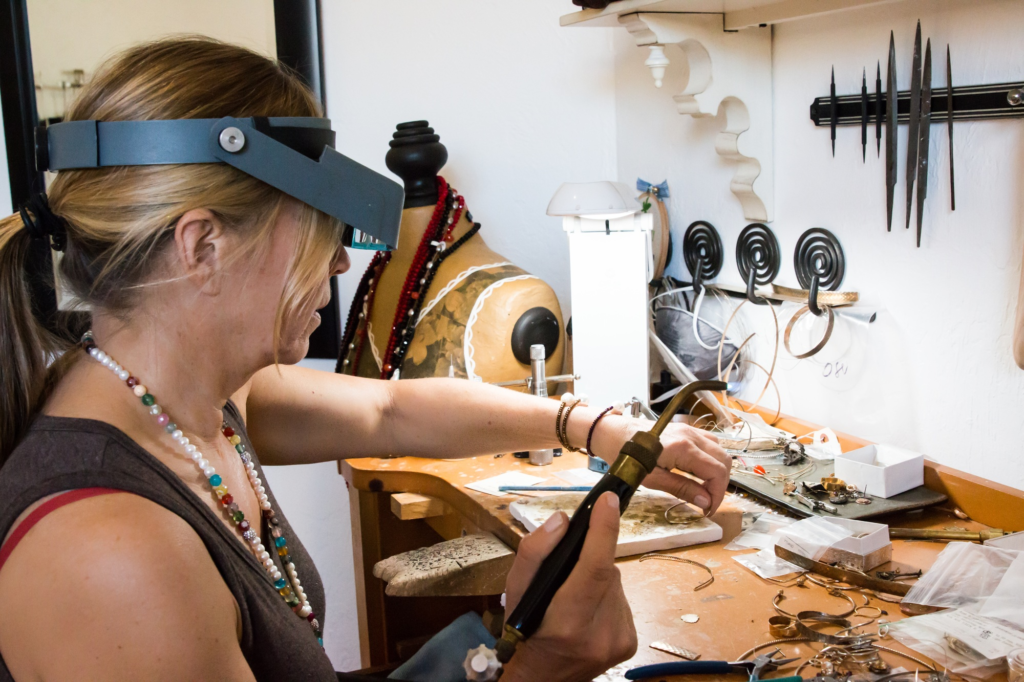
Artists in the United States face one of the most variable income landscapes of any profession, with earnings ranging dramatically based on their chosen specialty and career path. Fine artists earn between $7.69 to $50.00 per hour, with the average annual salary falling around $53,082 to $61,680, though top earners can reach $106,000 annually. This wide range reflects the diverse nature of artistic careers, from traditional painters and sculptors to commercial illustrators and digital artists.
A fine artist, including painters, sculptors, and illustrators, gets average compensation ranging from $19,570 to $122,900 depending on tenure and industry expertise, with salaries increasing by an average of 49.29 percent since 2004. Fine artists create original artwork using various media and techniques, staying informed about other artists’ work, new techniques, and available technologies while marketing their work to individual buyers, galleries, and commissioned projects.
Fine artists earn the highest average salaries in California, Nevada, and Rhode Island, while states like North Carolina, Georgia, and Texas offer lower compensation. Geographic location significantly impacts earning potential, with major art centers providing both higher salaries and more opportunities for career advancement.
Commercial vs. Fine Art
Commercial artists, including graphic designers and illustrators, typically earn more stable incomes, with graphic designer/illustrators averaging $45,124 annually and ranging from $32,000 to $63,000, while specialized graphic designer illustrators can earn up to $55,155. Commercial artists focus on creating visual solutions for businesses, combining artistic skills with practical problem-solving to meet client needs and deadlines.
Graphic artists make slightly higher salaries on average compared to graphic designers, with commercial artists benefiting from steady client demand and repeat business opportunities. Commercial work provides more predictable income streams because businesses continuously need visual content for marketing, advertising, product packaging, and digital media.
A junior graphic designer typically earns around $45,228 annually, while highly skilled graphic designers can make over $100,000 per year, though this level isn’t probable for most practitioners. The commercial art field rewards technical proficiency in design software, understanding of marketing principles, and the ability to work collaboratively with business teams.
Freelance Artist Reality Checks
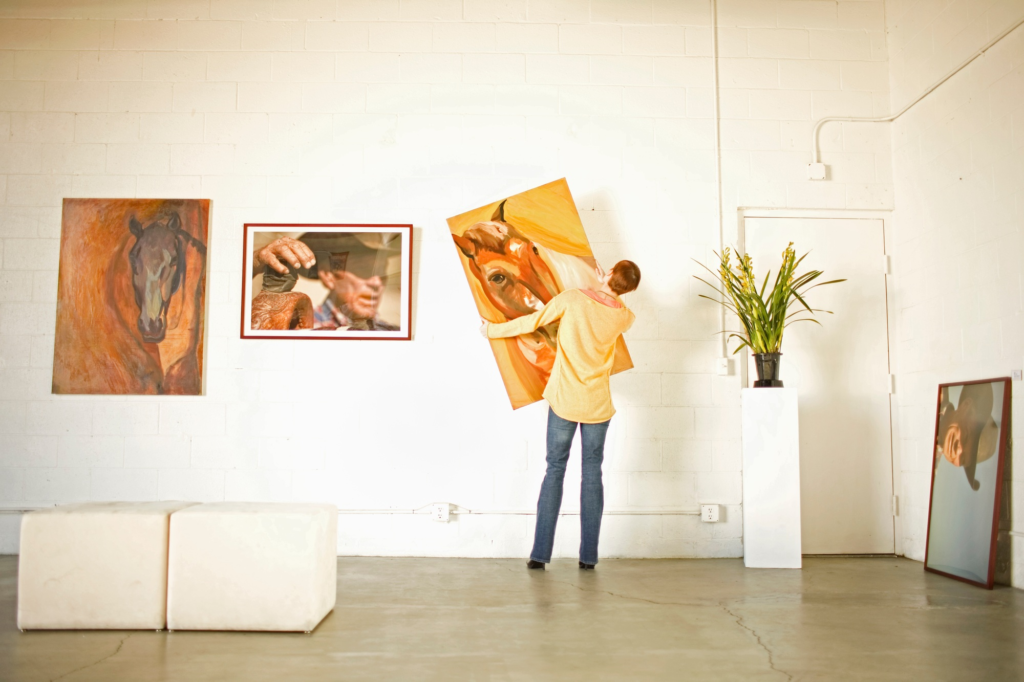
According to ZipRecruiter, Freelance artists earn an average of $22.97 per hour, with hourly wages ranging from $9.38 to $68.99, and annual earnings typically around $47,772, which is approximately $17,000 less than the average for all types of freelancers. Freelancing offers creative freedom but comes with significant income volatility and business management responsibilities that many artists find challenging.
The truth about freelance artist income is that it fluctuates dramatically over time, with earnings varying day to day, week to week, and year to year, making it difficult to depend on for stable income. Successful freelance artists must balance creative work with marketing, client relations, project management, and financial planning to maintain sustainable businesses.
The challenge for freelancing artists is that unless people know you, you don’t get many commissions, with new artists typically receiving one commission every couple of weeks until they build recognition and reputation. Building a client base requires consistent marketing efforts, professional networking, and maintaining high-quality work standards while managing the business side of artistic practice.
Hidden Costs and Business Realities
Starting an art business involves relatively modest costs, with median startup expenses around $1,500, though this can range from as little as $300 to several thousand dollars depending on the type of art business and required equipment. These startup costs typically cover basic art supplies, digital tools, marketing materials, and initial business setup expenses.
Art business expenses extend beyond initial setup to include ongoing costs like studio rental ($200-$900 monthly), professional development, marketing, booth fees for art shows ($75-$1,000), equipment maintenance, and business services like bookkeeping ($20-35 per hour). Many artists underestimate these ongoing operational costs when calculating their true profit margins.
Freelance artists face additional tax responsibilities as independent contractors, receiving 1099 forms and needing to manage quarterly tax payments, business deductions, and self-employment taxes that employed artists don’t handle. Understanding tax obligations and business management becomes crucial for maintaining profitability and avoiding legal complications.
Building Sustainable Artist Career Prospects
Artists working in the technology industry earn the highest average salaries at $80,623, followed by finance at $73,767, while those in manufacturing earn the lowest at $52,564. The industry choice significantly impacts earning potential, with artists in tech-focused roles often commanding premium salaries due to high demand for digital content creation.
Pay progression for fine artists shows positive trends, with entry-level artists earning around $41,000, mid-career professionals maintaining similar compensation, but late-career artists with over 20 years of experience reaching $47,000 annually. However, building successful art careers requires strong money management skills, including budgeting and maintaining 9-12 months of living expenses in emergency savings due to income variability.
Successful artists often develop multiple income streams through teaching, licensing artwork, selling prints, offering workshops, and combining fine art with commercial work. Art gallery owners can earn wide-ranging incomes from modest amounts to six figures depending on location, reputation, and business strategies, with commission rates typically ranging between 20% and 40%. Diversifying revenue sources helps artists weather the inherent volatility of creative professions while building long-term financial stability.
Key Takeaways
- Fine artists earn $19,000-$122,000 annually while commercial artists average $45,000-$81,000, with technology industry roles offering the highest compensation at $80,000+ yearly.
- Freelance artists face significant income volatility earning $23-$69 hourly, requiring strong business management skills and 9-12 months emergency savings for stability.
- Art business startup costs average $1,500 but ongoing expenses like studio rent, marketing, and professional development significantly impact profitability and career sustainability.
FAQs
What’s the minimum amount I need to start an art business?
You can start an art business with as little as $300-$500 for basic supplies and digital tools. Many successful artists began with minimal investment, focusing on one medium and gradually expanding their equipment and marketing efforts as they generated income from their work.
Should I pursue fine art or commercial art for better income?
Commercial art typically offers more stable income and higher earning potential, especially in technology and marketing industries. However, many successful artists combine both approaches, using commercial work for steady income while pursuing fine art for creative fulfillment and potential high-value sales.
How long does it take to make good money as an artist?
Building sustainable artist income typically takes 2-5 years of consistent effort in developing skills, building portfolios, and establishing client relationships. Success depends on artistic quality, marketing effectiveness, business management skills, and choosing the right market niche for your talents.
Keep Reading
- Guide to Starting Your Art Business – Learn step-by-step how to launch your artistic venture with minimal risk and maximum potential for creative and financial success.
- How to Price Your Artwork for Maximum Profit – Discover proven pricing formulas that ensure profitability while remaining competitive in today’s diverse art marketplace.
- Social Media Marketing for Artists – Master Instagram, Pinterest, and TikTok strategies that turn followers into paying collectors and commission clients for your artwork.
- Essential Tools Every Professional Artist Needs – Complete equipment buyer’s guide to help you invest in the right tools for efficient, high-quality artistic production across mediums.