
Author
Happy young couple choosing handmade bags at small street market
Business

How to Set Up Your Craft Show Booth to Maximize Sales by 20%

Craft show vendors can increase sales by 20% through strategic booth setup including proper height displays, clear pricing, customer interaction techniques, and understanding visitor psychology. Research shows booth design directly impacts purchasing decisions within 3.2 seconds of visitor entry, making layout and presentation critical for business success.


Read More...
Female entrepreneur managing online order of mug on website.
Business

How to Price Handmade Products: Materials + Labor + Profit Formula

Master handmade product pricing with the proven Materials + Labor + Profit formula that ensures sustainable business growth. This comprehensive guide reveals how to calculate true costs, research competitor pricing, avoid common pricing mistakes, and implement psychological pricing strategies that maximize profits while staying competitive in today’s handmade marketplace.

Read More...
Young woman with dreadlocks weaves home decor from cotton thread macrame.
Business

51 Best-Selling Handmade Home Decor Products to Make and Sell in 2025

Smart makers are capitalizing on the growing handmade home decor market by creating 50+ profitable products ranging from $15 quick-sell items to $2000+ luxury pieces. This comprehensive guide reveals which handmade items sell best, provides detailed pricing strategies, and shows how to build a sustainable craft business using trending materials like natural fibers, reclaimed wood, and artisanal techniques that appeal to today’s personalization-focused consumers.

Read More...
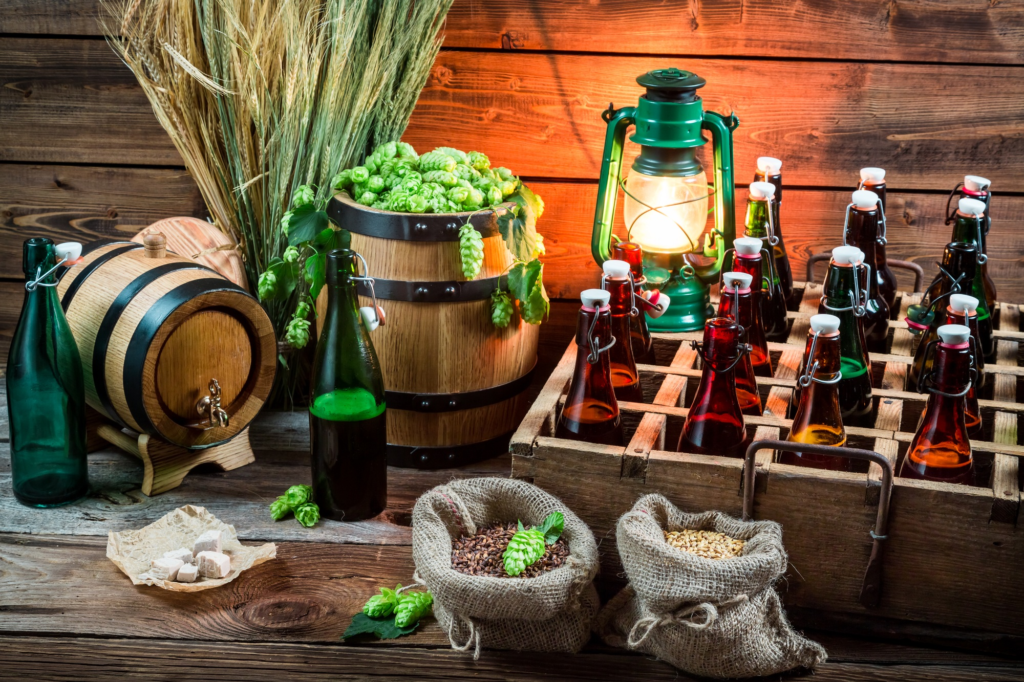
Tasting home-brewed beer in the cellar
Brewing

Essential vs Nice-to-Have Home Brewing Equipment for Your First Batch

First-time home brewers need only seven essential items costing $150-200 total: fermenter, airlock, siphon, bottles, sanitizer, hydrometer, and thermometer. Extract brewing eliminates expensive all-grain equipment while producing excellent beer. Advanced equipment like wort chillers and kegging systems improve convenience but aren’t necessary for quality results.

Read More...
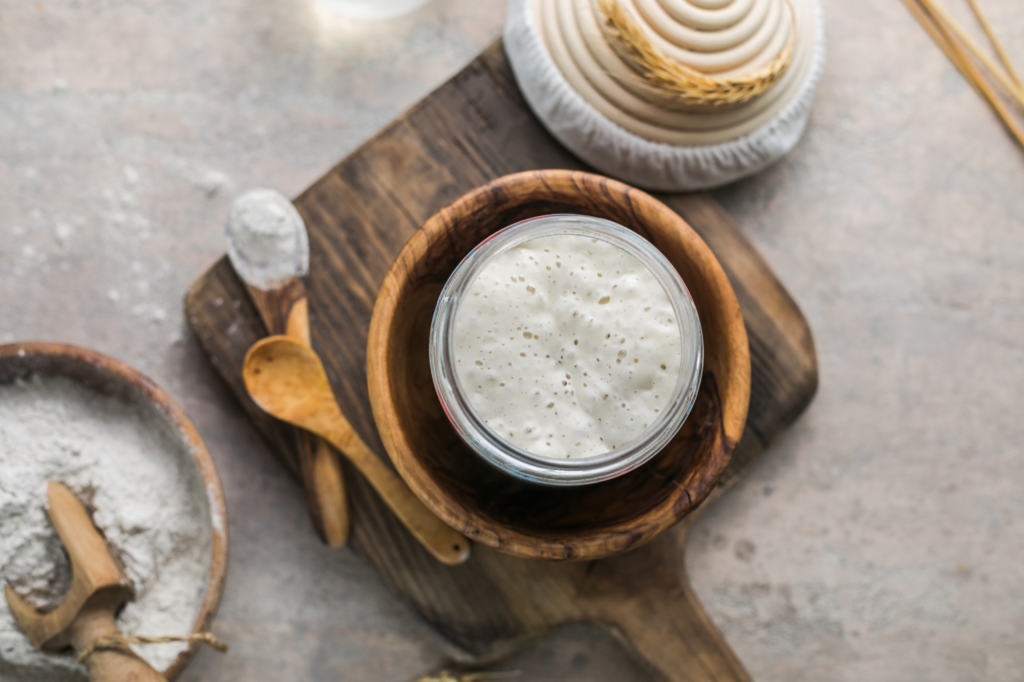
leaven for bread is active. Starter sourdough fermented mixture of water and flour to use as leaven
Baking

Why Your Starter Sourdough Won’t Rise or Smells Off

Sourdough starter problems stem from incorrect feeding ratios, wrong temperatures, contamination, or inadequate flour quality. Most issues resolve within 3-7 days through proper feeding schedules, temperature control, and using unbleached flour with filtered water. Healthy starters double in size within 4-8 hours and smell pleasantly tangy.

Read More...
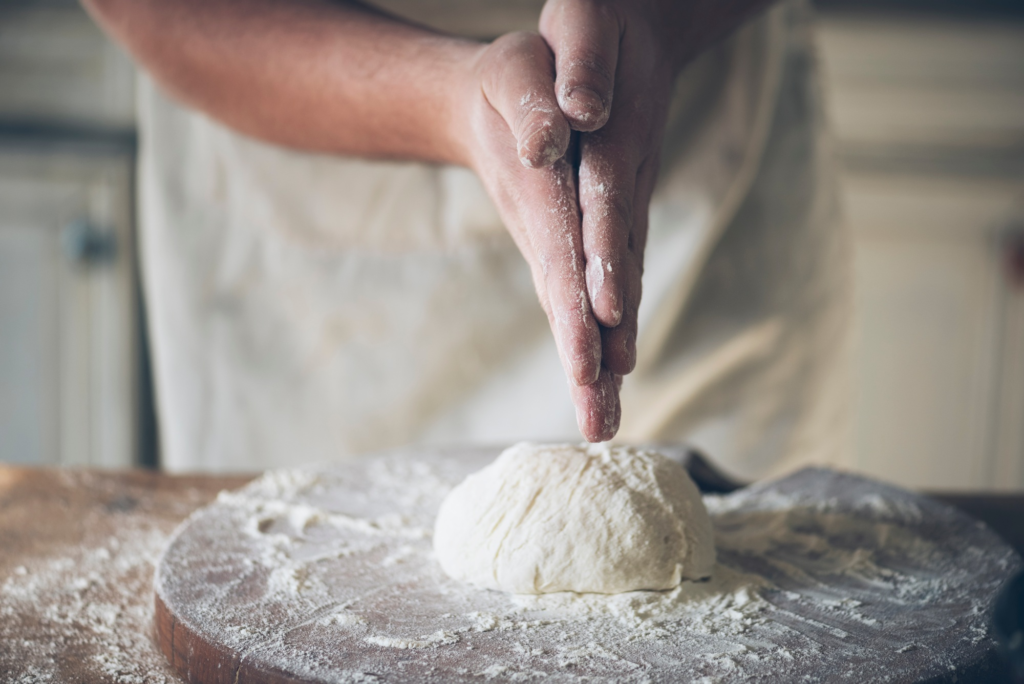
Baking bread
Baking

Bread Baking Tools: Beyond Flour and Yeast for Better Loaves

Successful bread baking requires only five essential tools beyond basic ingredients: a kitchen scale for accuracy, bench scraper for handling dough, proofing basket for shaping, lame for scoring, and Dutch oven for steam. These tools cost under $150 total but dramatically improve bread quality and consistency for home bakers.

Read More...
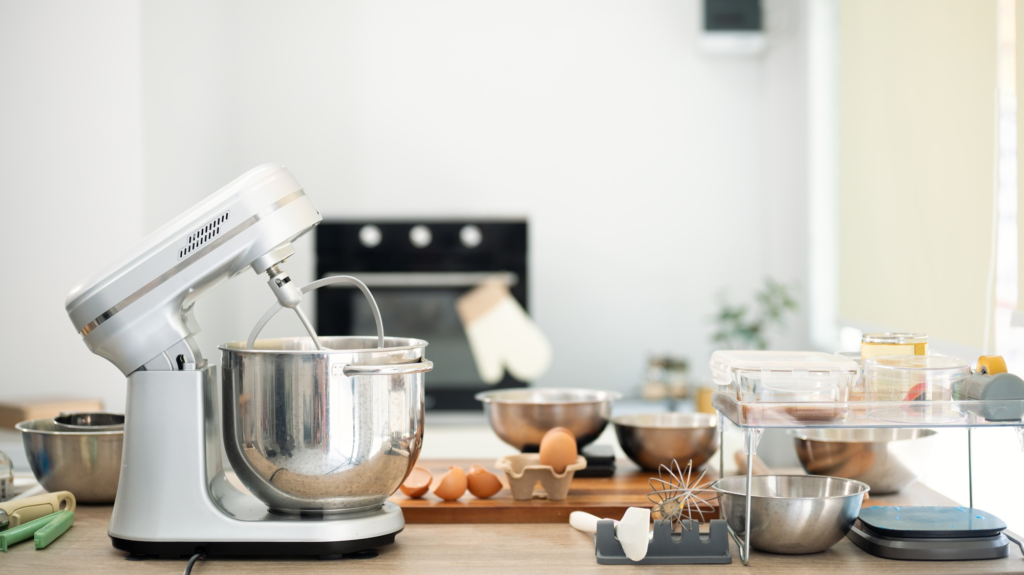
Baking station with stand mixer, fresh ingredients and baking tools ready for homemade cookies
Baking

Stand Mixer vs Hand Mixing: When the Investment Actually Pays Off

Stand mixers prove worth their $200-600 cost for frequent bakers making bread, large batches, or heavy doughs, while hand mixing remains perfectly adequate for occasional baking and simple recipes. The investment pays off when you bake more than twice weekly or regularly make challenging recipes like bread or meringues.

Read More...
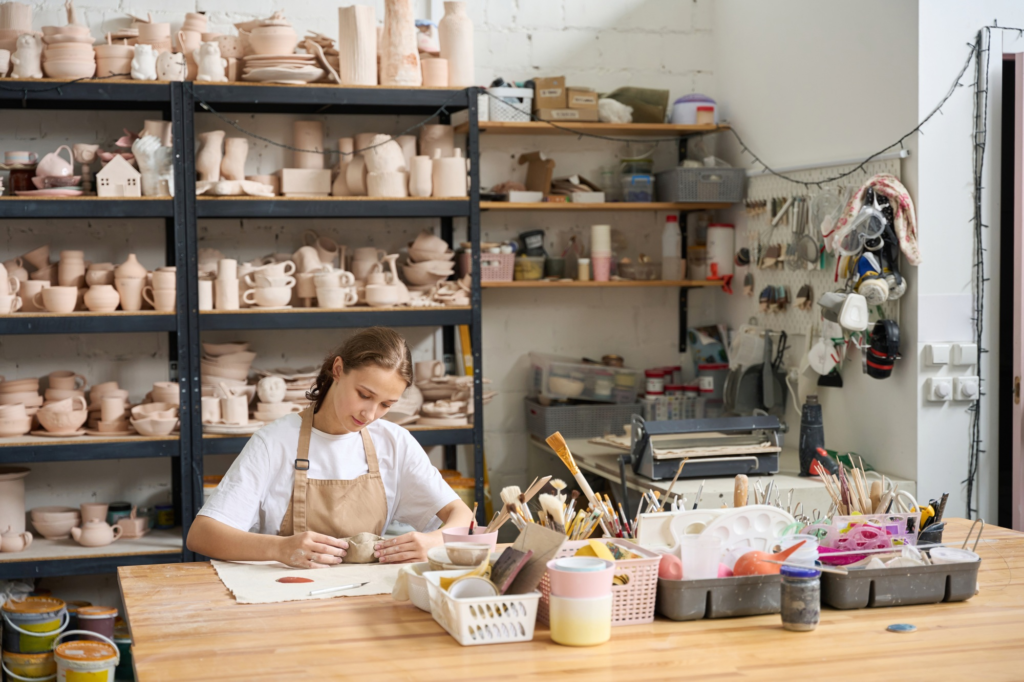
Cheerful young woman polishing pottery in workshop
Pottery

Start Pottery With Just 6 Essential Tools for Under $50

Beginner potters only need six basic tools costing $42-76 total to handle 90% of pottery tasks. Wire cutters, sponges, ribs, trimming tools, needle tools, and wooden modeling tools provide everything necessary before investing in expensive wheels or kilns. Community studios offer equipment access while building foundational skills.

Read More...
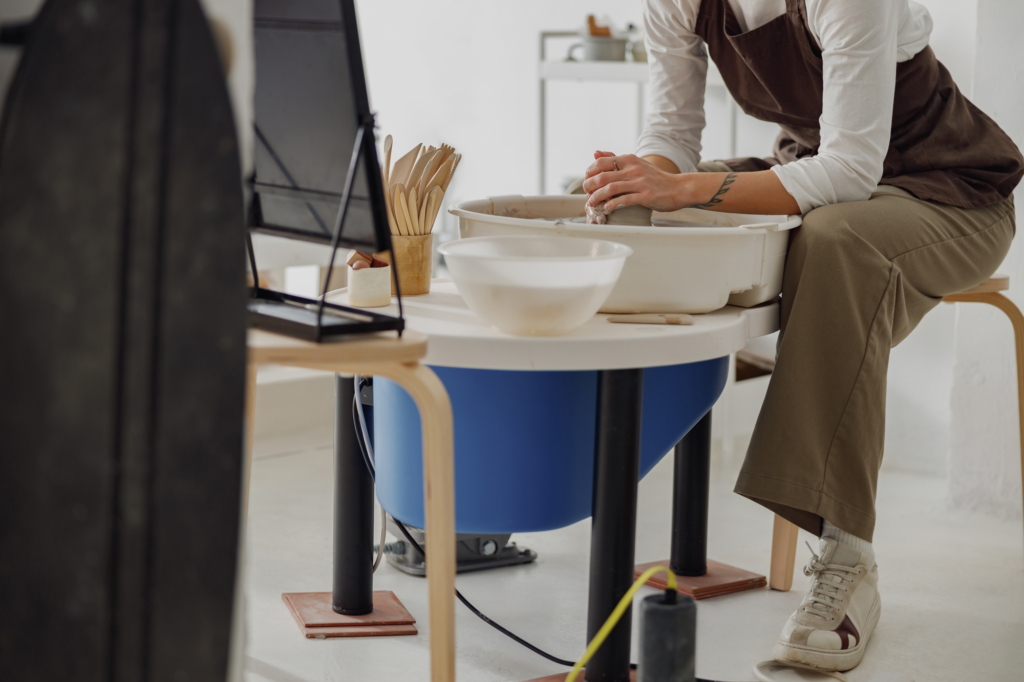
Young woman making pottery in cozy home studio
Pottery

Setting Up a Home Pottery Studio: Space, Safety, and Sanity

Successful home pottery studios require proper ventilation, organized wet/dry zones, dedicated clay reclaim areas, and realistic cost planning. Essential considerations include 18-inch kiln clearances, dust management systems, separate glazing stations, and splash zone containment. Budget ranges from $3,000 for basic setups to $15,000 for well-equipped studios, with ongoing ventilation and safety upgrades proving crucial for long-term success.

Read More...
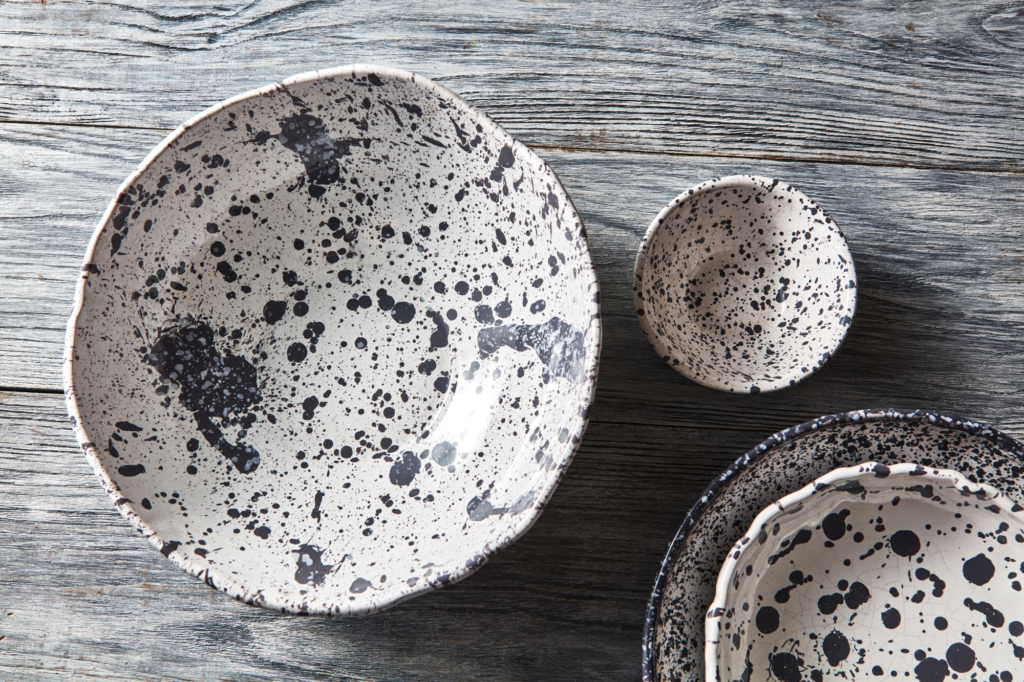
Decorative pottery - bowls, plates covered with glazed on a gray wooden background. Top view of
Pottery

Understanding Glaze Fit: Why Your Pots Crack or Crazing Happens

Glaze fit problems occur when clay bodies and glazes expand and contract at different rates during heating and cooling. Crazing creates web-like cracks when glazes expand more than clay, while shivering causes glaze flaking when clay expands more than glazes. Proper thermal expansion matching prevents these issues and ensures functional pottery strength and food safety.

Read More...
Young female student practicing in a pottery studio
Pottery

Essential Pottery Tools: What’s Actually Worth Buying vs Optional Extras

Successful pottery starts with choosing essential tools over expensive extras. Beginners need just six basic tools costing under $50: wire cutters, sponges, ribs, trimming tools, needle tools, and wooden modeling tools. Major equipment like kilns ($500-$5000) and wheels ($200-$2000) come later, with many potters starting in community studios before investing in home setups.

Read More...
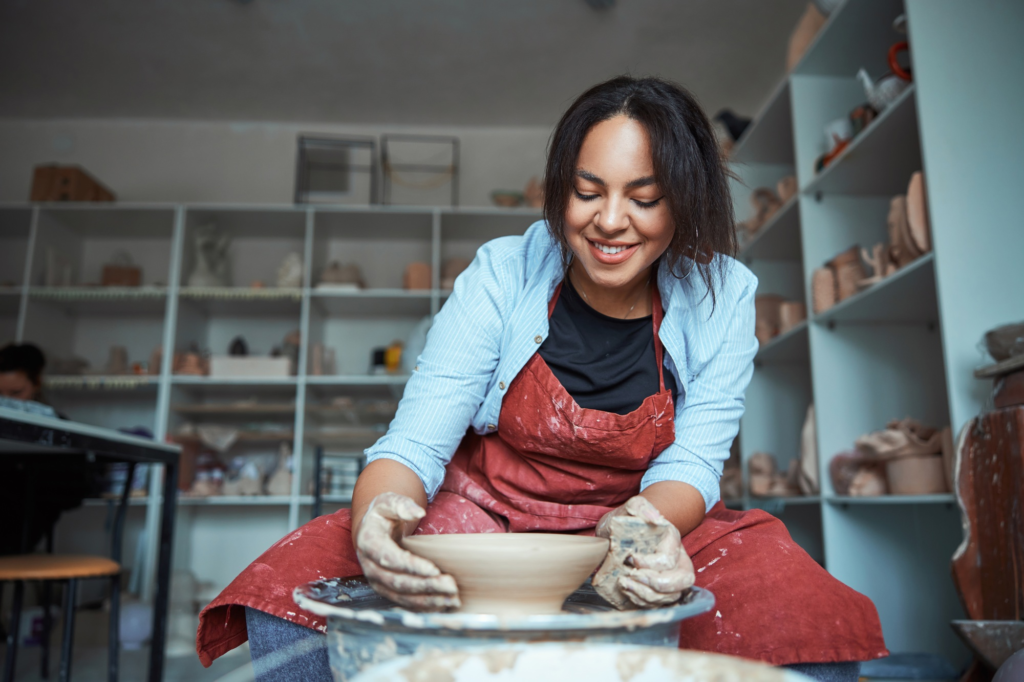
Close up of artisan's hands shaping clay bowl in pottery studio. Pottery art and creativity
Pottery

Choose Clay Bodies for Pottery: Earthenware vs Stoneware vs Porcelain

The success of your pottery project begins with selecting the right clay body. Earthenware clay is perfect for decorative pieces and beginner projects due to its low firing temperature and easy workability, stoneware clay offers the best balance of durability and versatility for functional pottery like dinnerware, while porcelain clay excels in fine, detailed work and translucent art pieces. Understanding these three main clay types and their properties will guide you to make the best choice for your specific project needs.

Read More...