When Meghan, Duchess of Sussex wife of Prince Harry, Duke of Sussex was Meghan Markle, the up and coming actress teaching calligraphy classes for $25 dollars an hour, she had no idea she was building the foundation for a Netflix-backed lifestyle empire. Her journey from side hustle to American Riviera Orchard to As Ever reveals how a side hustle can become so much more. We decided to look at the details and figure out a blueprint for you to try on the side and build your own empire.
From Calligraphy Teacher to Business Owner
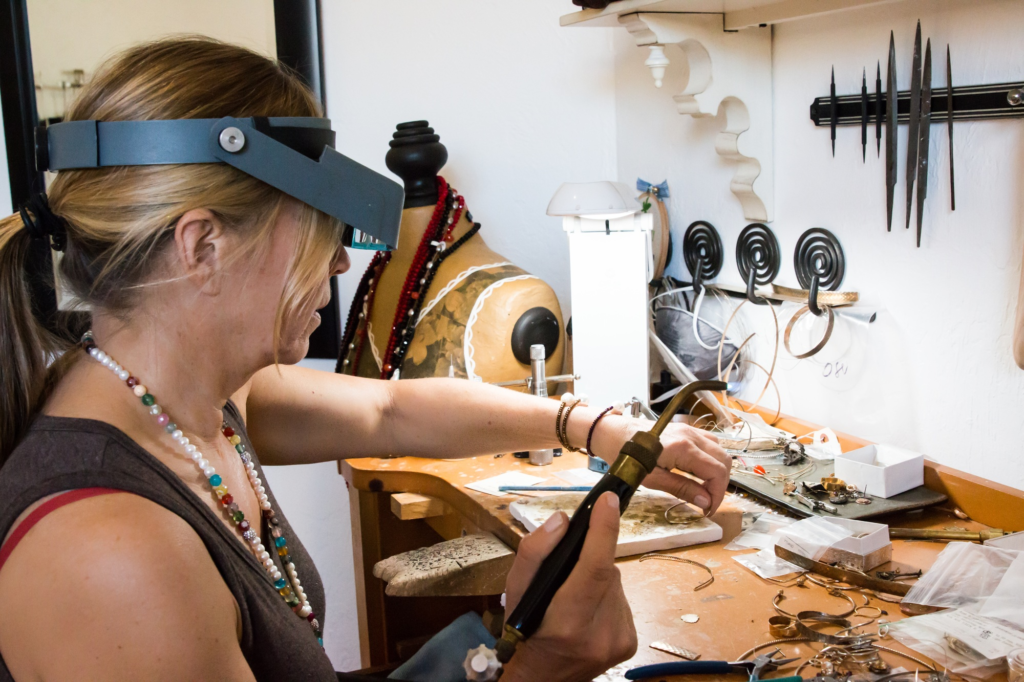
From 2004 to 2005, Meghan, Duchess of Sussex taught calligraphy, gift-wrapping, and bookbinding classes at Paper Source in Beverly Hills while pursuing acting auditions. Calligraphy is the art of beautiful handwriting, often used for wedding invitations and formal documents. She earned $15 to $30 dollars per hour teaching craft classes and supplemented this income with freelance wedding invitation work, charging two to eight dollars per envelope for celebrity clients like Robin Thicke and Paula Patton.
This side hustle generated three hundred to six hundred dollars per week part-time from teaching classes, plus four hundred to four thousand dollars per wedding project from freelance calligraphy work. The consistent income stream supported her acting career between 2004 and 2011, demonstrating how skilled craftspeople can monetize their abilities immediately without waiting for their primary career to succeed.
Modern entrepreneurs can replicate this approach by identifying their existing skills and finding local venues to teach or provide services. Independent craft stores, maker spaces (community workshops with shared tools), and community centers actively seek skilled instructors for twenty-five to fifty dollars per hour. Libraries often host craft workshops and maker programs. Local recreation centers run ongoing classes for residents. Wedding venues frequently need vendors for calligraphy services, planning, or coordination work.
The key is starting immediately rather than waiting for perfect conditions. Contact five local businesses this week, offer to teach workshops, and create simple business cards with your contact information. Most skilled individuals can begin earning within thirty days using this direct approach.
Building Audience Through Authentic Content
In 2014, Meghan, Duchess of Sussex launched The Tig lifestyle blog while still acting. Named after her favorite wine, Tignanello, The Tig featured wine discoveries, travel experiences, and personal stories about accessible luxury lifestyle topics. A lifestyle blog is a website where someone shares their personal experiences, recommendations, and expertise about daily living, fashion, food, or travel.
The blog differentiated itself from established voices like Martha Stewart and Gwyneth Paltrow by positioning the Duchess as relatable rather than aspirational. As the Duchess wrote on The Tig: “I think handwritten notes are a lost art form. The idea of someone taking the time to put pen to paper is really special.” This authentic voice resonated with readers seeking genuine lifestyle content from someone they could relate to rather than an untouchable celebrity.
The Duchess spent three years building The Tig’s audience organically, growing to three million Instagram followers by 2017. Organic growth means gaining followers naturally through good content rather than paying for advertisements. The blog generated an estimated fifty thousand to one hundred fifty thousand dollars annually through sponsored content, based on typical blogger monetization rates of one thousand to five thousand dollars per one hundred thousand followers per post. Sponsored content means companies pay bloggers to feature their products in posts.
Content creators can follow this blueprint by choosing to run their own platform with their own website while simultaneously using Instagram, TikTok, or YouTube to consistently post about their genuine interests and expertise. The most effective content strategy involves 70% helpful content, 20% behind-the-scenes process documentation, and 10% personal stories. Building an organic, meaningful following of one thousand or more engaged followers typically takes six to eighteen months with consistent posting content at least three times per week minimum. Most creators post daily sometimes 5-15x per day on all platforms combined.
Platform-specific strategies require different approaches based on how each social media algorithm works:
- TikTok: One to four posts per day is often recommended according to TikTok for Business guidelines
- Twitter: Three to five tweets per day is a common suggestion, though some high-performing accounts may tweet more frequently
- Instagram: Posting one to two times per day in the main feed is a common approach, with stories being posted more frequently throughout the day
- LinkedIn: Generally, one post per day is recommended, with spacing out multiple posts by several hours if posting more
- YouTube: Once a week for long-form content is a good starting point, with shorts being posted more frequently if desired
Quality over quantity remains the most important principle for building genuine audience engagement. Balancing posting frequency with content quality is crucial because posting frequently with lower-quality content can negatively impact engagement rather than help growth. The best posting frequency is often determined by experimentation and what works best for a specific creator’s audience and content type. Building a meaningful following of one thousand or more engaged followers typically takes six to eighteen months of consistent posting that prioritizes solving problems for your target audience.
Testing Products With Friends and Family
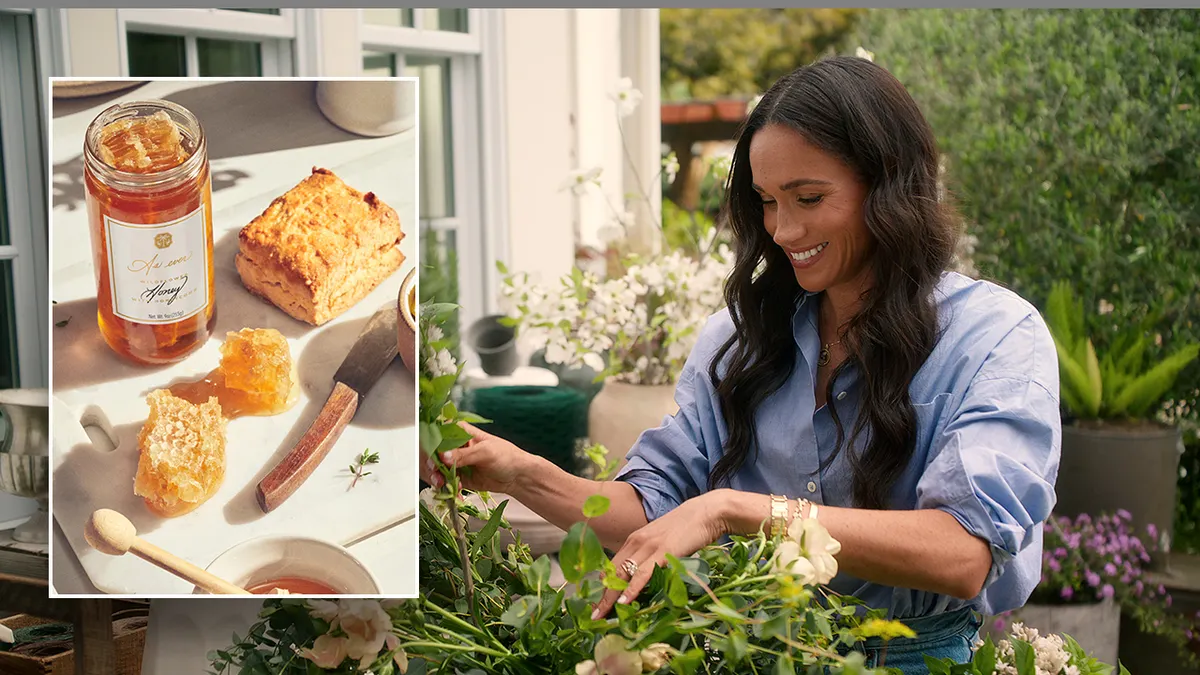
After stepping back from royal duties in 2020, the Duchess of Sussex spent two years developing what became American Riviera Orchard. The breakthrough came when she began making homemade jams in her Montecito kitchen and sending them to friends during holidays. Netflix executives who received her homemade jams reportedly encouraged her to “teach people how to do this,” recognizing the commercial potential of her products.
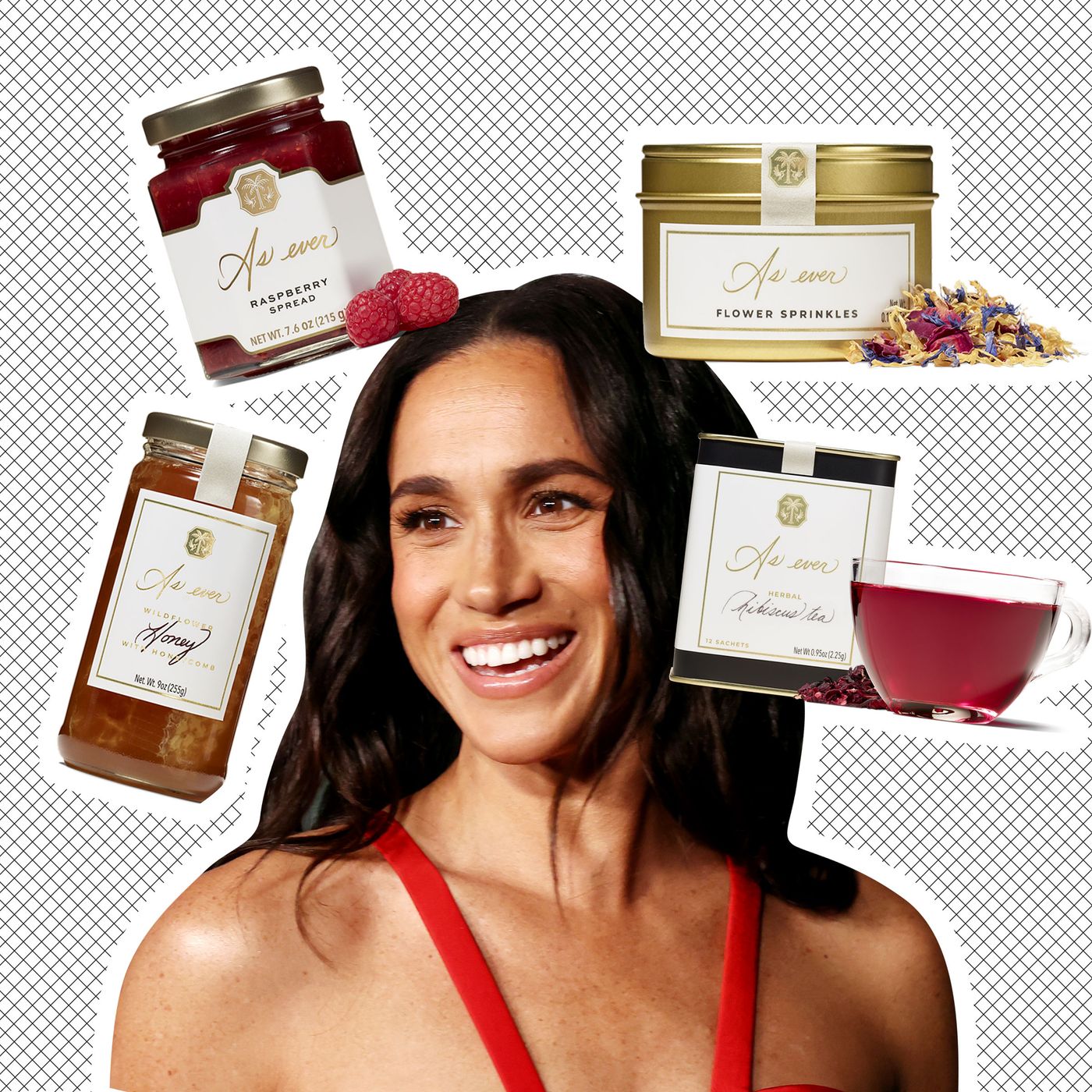
The Duchess hand-numbered the first fifty jars of strawberry jam, wrote labels in her own calligraphy, and used rustic packaging with muslin cloth ties. Muslin cloth is a loose-woven cotton fabric that gives products a handmade, artisanal appearance. This premium presentation justified higher pricing while creating authentic content for social media. Quality became her differentiator through deliberate choices in packaging and personal touches that mass-produced alternatives could not replicate.
Entrepreneurs can replicate this testing approach by starting with twenty to fifty units of one signature product and sharing them with friends, coworkers, and neighbors. The goal is gathering honest feedback while determining if people will actually pay enough to cover costs plus profit. Focus on presentation from the beginning because handwritten labels and quality containers create perceived value that justifies premium pricing.
The testing phase should include asking recipients specific questions: “Would you buy this again? What would you change? What price seems fair?” Refine the product based on feedback before investing in larger inventory or commercial production. This approach minimizes financial risk while maximizing learning opportunities about your target market.
Finding Strategic Business Partners
Netflix became both content partner and strategic investor in the Duchess’s lifestyle brand as part of their reported one hundred million dollar deal with the Duke and Duchess of Sussex. This partnership provided financial backing, production support, and access to Netflix’s consumer products division, which has experience scaling brands based on popular shows like Bridgerton and Stranger Things.
The partnership emerged naturally from the relationship Netflix executives developed with the Duchess after receiving her homemade products. This demonstrates how authentic relationship-building leads to business opportunities rather than transactional approaches to partnership development. Building genuine relationships with potential partners takes time but creates more sustainable business arrangements than purely financial partnerships.
Small business owners can identify potential partners by looking for local businesses serving their target customers (coffee shops, boutiques, restaurants), online influencers or brands with complementary audiences, suppliers who can help with production or distribution, and successful business owners who might mentor or invest. The key is identifying businesses that serve the same customers but offer different products or services.
The most effective partnership approach involves starting small with simple collaborations rather than requesting major commitments upfront. Prove your business concept through sales and customer satisfaction before approaching potential partners for investment. Begin building these relationships immediately, but expect meaningful partnerships to develop after twelve to eighteen months of proven success and consistent quality delivery.
Launching With Limited Quantities
American Riviera Orchard launched with limited quantities that sold out within one hour. The scarcity was not artificial marketing but reflected genuine small-batch production capacity that built authentic demand. Small-batch production means making products in limited quantities, often by hand, which allows for higher quality control but limits the number of items available for sale.
The launch strategy included pre-announcing to her social media audience, starting with fifty to one hundred units maximum, pricing for profit rather than competing on price, and documenting the entire process for future marketing content. This approach proved demand existed before scaling production, minimizing financial risk while maximizing learning opportunities about customer behavior and preferences.
Modern entrepreneurs should follow this same approach: announce launch dates two weeks ahead to build anticipation, start with quantities they can afford to lose completely, focus on premium positioning through storytelling rather than low prices, and treat the launch as content creation for future marketing efforts. Premium positioning means charging higher prices by emphasizing quality, craftsmanship, and unique story rather than competing with mass-market alternatives.
The goal is selling out quickly rather than holding inventory. Better to have customers disappointed by missing out than products sitting unsold for months, which ties up money and storage space. Document everything during launch week because the behind-the-scenes content becomes valuable marketing material for subsequent product releases and helps build anticipation for future launches.
Investment Requirements for Starting
Starting a skill-based business requires five hundred to two thousand dollars for initial testing, covering ingredients or materials, basic packaging, and simple marketing efforts. This modest investment allows entrepreneurs to test their concept without risking significant financial loss. Time commitment begins at ten to fifteen hours per week initially, scaling to forty or more hours weekly for full-time entrepreneurs who choose to expand their operations.
Essential skills include one genuine area of expertise plus willingness to learn basic business fundamentals like pricing, social media management, and customer service. Most importantly, realistic expectations about timeline and growth help maintain motivation through the challenging early phases when income remains minimal and workload feels overwhelming compared to traditional employment.
Realistic timeline expectations include one to six months of learning and testing with minimal income, six to eighteen months building audience while breaking even on products, eighteen to thirty-six months developing profitable side business earning one thousand to five thousand dollars monthly, and year three or beyond deciding whether to scale or maintain as lifestyle business.
Financial requirements remain modest compared to traditional businesses like restaurants or retail stores. Most successful artisanal businesses plateau at five hundred thousand to two million dollars annually, which represents excellent lifestyle businesses providing meaningful income without venture-scale complexity or massive investment requirements that traditional businesses often demand.
Why This Business Model Works Today
The Duchess of Sussex had advantages most entrepreneurs lack: celebrity connections, royal platform visibility, and Netflix financial backing. However, her core business principles work without these advantages because they focus on authentic craftsmanship, personal storytelling, and genuine customer relationships rather than celebrity status or massive marketing budgets.
The handwritten labels and personal touches that made her jam special represent timeless business principles that transcend celebrity status. Premium pricing becomes justified through authentic story and consistent quality rather than mass-market competition strategies that focus primarily on lowest possible prices and widespread distribution through major retailers.
Modern market conditions actually favor this approach more than ever before. Consumers increasingly value authentic, handmade products over mass-produced alternatives, especially after experiencing supply chain disruptions and quality issues with mass-market products. Social media platforms provide direct access to customers without traditional retail intermediaries like department stores or specialty shops. Cottage food laws in most states allow home-based food businesses to start legally with minimal licensing requirements, removing traditional barriers to entry.
The market supports many additional regional artisanal brands before reaching saturation. Success requires authentic personal connection with customers rather than pure profit motivation, combined with consistent quality execution and willingness to work intensively for extended periods while building customer base and refining products based on feedback.
Common Mistakes That Lead to Failure
Attempting to skip foundational steps leads to failure more than any other factor. Entrepreneurs who start with large inventory before proving demand, compete on price instead of story and quality, or expect overnight success typically abandon their efforts within the first year when reality does not match unrealistic expectations about timeline and effort required.
The most successful approach involves starting small, building genuine customer relationships, focusing on quality over quantity, and maintaining patience with organic growth. Trying to replicate the Duchess’s scale immediately ignores the fifteen or more years of small steps that built her foundation, including her early calligraphy work, acting career networking, and years building The Tig’s audience.
Financial mistakes include underestimating customer acquisition costs (how much you spend to get each new customer), failing to maintain six to twelve months operating expenses in reserve for seasonal fluctuations, and pricing products based on materials alone rather than including fair compensation for time and expertise. Many artisanal food businesses fail because founders do not account for their labor costs when setting prices.
Platform dependency creates vulnerability when social media algorithms change or reduce organic reach, which happens frequently as platforms prioritize paid advertising over free content. Successful businesses develop email lists and direct customer relationships that do not depend entirely on social media platforms for reaching customers and generating sales.
Key Takeaways
- Meghan, Duchess of Sussex built her empire over fifteen years, starting with fifteen-dollar hourly calligraphy lessons and systematically building skills, audience, and partnerships.
- Her success required celebrity advantages most entrepreneurs lack, but core principles of authentic craftsmanship and personal storytelling remain universally applicable.
- Modern entrepreneurs can start with five hundred to two thousand dollars, focusing on one signature product and building genuine customer relationships.
FAQs
Can I start a handmade food business while working my day job?
Absolutely. Start with cottage food laws in your state, which allow selling certain homemade foods without commercial licensing. Begin at farmers markets with five hundred to two thousand dollar investment in ingredients and basic packaging. Test one signature product, gather feedback, and reinvest profits. Many successful artisanal food businesses started this exact way.
How do I get my first customers without any social media following?
Focus on your immediate community first. Bring samples to work, neighborhood events, or local gatherings. One satisfied customer typically tells three to five friends about great homemade food. Start a simple email list of interested people, offer friends-and-family discounts, and ask happy customers to introduce you to others. Personal recommendations drive early sales better than marketing.
How do I know if my homemade product is good enough to sell professionally?
If people consistently ask for your recipe or offer to pay you to make more, you likely have a viable product. Test at small scale: make twenty to thirty units, sell them to friends and coworkers at cost, and gather honest feedback. Focus on one product you genuinely enjoy making and can produce consistently. Authenticity and consistent quality matter more than perfection.
Keep Reading
- Cottage Food Laws: Start Your Home Food Business Legally – Navigate state regulations and licensing requirements for selling homemade food products from your kitchen without commercial space.
- Step-by-Step Process for Starting Out as a Farmers Market Vendor – Step-by-step process for getting accepted, creating attractive displays, and building repeat customers at local markets.
- Artisanal Food Pricing: Psychology and Profit Strategies That Work – Master premium pricing psychology and cost calculations that successful artisanal food businesses use to maximize profitability.
- All the Equipment You Need to Start a Food Business with a $1,000 Budget – Prioritized equipment list and money-saving alternatives for home-based food production and professional packaging presentation.