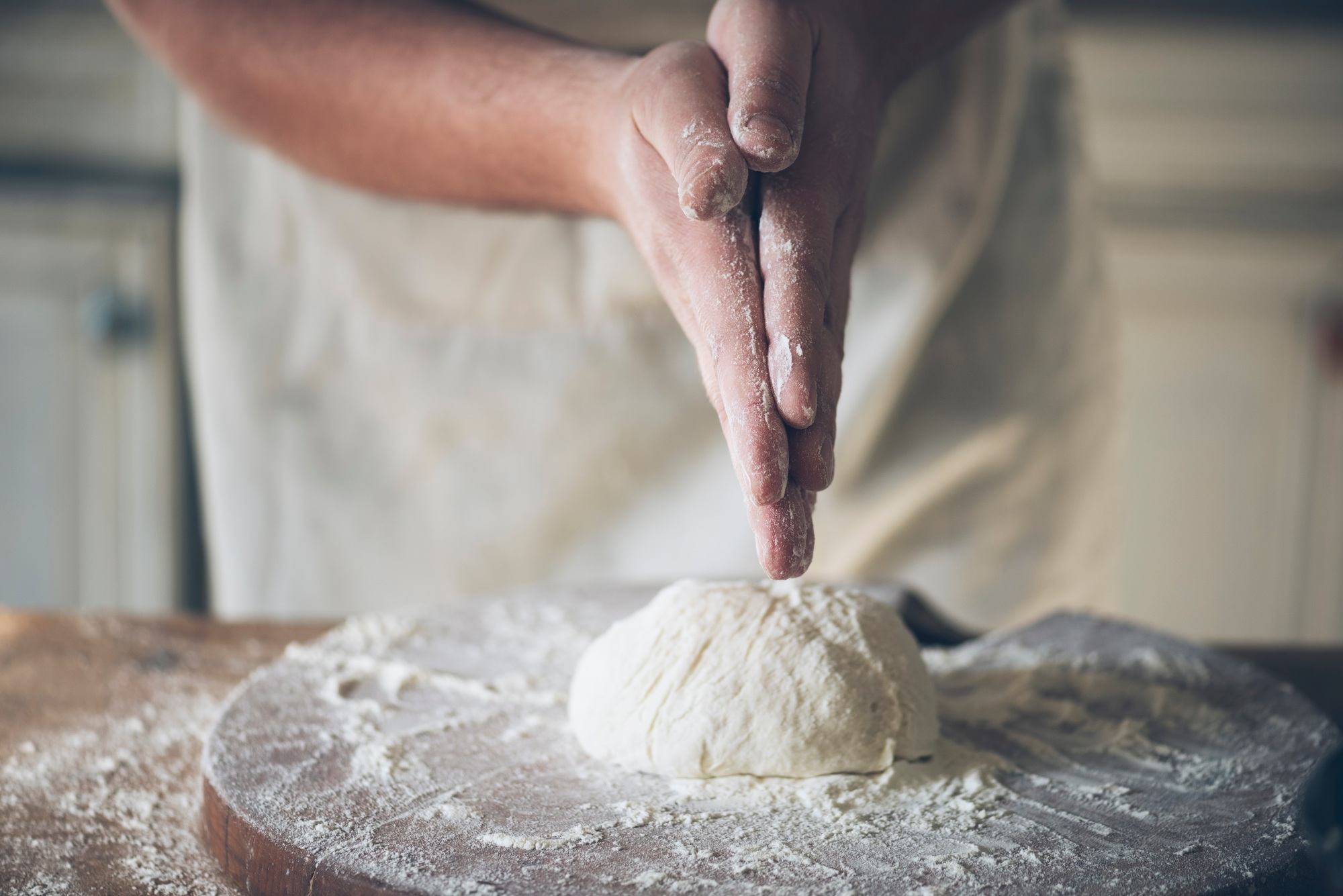
Flour, water, salt, and yeast can technically make bread, but the difference between dense, uneven loaves and bakery-quality artisan bread lies in the tools you use. Many home bakers struggle with inconsistent results, sticky dough disasters, and flat loaves because they’re missing key equipment that professional bakers consider essential. The right tools don’t just make bread baking easier – they make it possible to achieve consistent, professional results that rival expensive bakery loaves.
Why Basic Tools Make the Difference
Bread baking demands precision and technique that basic kitchen equipment cannot provide effectively for consistent results.
Precision Requirements in Bread Making
Bread dough requires exact hydration ratios, precise timing, and controlled environments that improvised tools cannot deliver reliably. Professional bakers rely on specialized equipment because bread forgives few mistakes and demands consistency in temperature, humidity, and handling techniques.
Common Problems from Inadequate Tools
Dense loaves often result from poor dough handling due to lack of proper scrapers or inadequate proofing containers. Flat breads typically indicate scoring problems or insufficient steam during baking. Inconsistent results usually stem from measurement inaccuracies when using volume measurements instead of weight-based precision.
Investment vs Results Relationship
The essential bread baking tool kit costs $100-150 but transforms bread quality immediately and permanently. This one-time investment eliminates most common bread failures and enables techniques impossible without proper equipment, making it cost-effective compared to purchasing quality artisan bread regularly.
The Essential Five: Must-Have Bread Tools
These five tools form the foundation of successful bread baking and address the most common technical challenges home bakers face.
Kitchen Scale
A digital kitchen scale measuring in grams provides the accuracy that bread baking demands for consistent results. Flour measurements by volume vary by 20-30% depending on humidity, packing, and flour type, while weight measurements remain constant and reliable across all conditions.
Professional bread recipes use baker’s percentages based on flour weight, making scales essential for following established formulas or scaling recipes up and down. Quality digital scales cost $25-50 and measure ingredients to 1-gram accuracy, eliminating the guesswork that causes most bread failures.
Bench Scraper
A bench scraper handles sticky dough without adding flour, divides dough portions accurately, and cleans work surfaces efficiently. This simple tool prevents dough from sticking to hands and surfaces while maintaining proper hydration levels that create open, airy bread texture.
Quality bench scrapers feature thin, flexible stainless steel blades with comfortable handles and cost $15-25. The tool enables proper dough handling techniques like coil folds and letter folds that develop gluten structure without overworking the dough through excessive kneading.
Proofing Basket
Proofing baskets provide structure for final dough rising while creating attractive spiral patterns on finished loaves. These baskets support high-hydration doughs that would otherwise spread flat, concentrating gluten tension for better oven spring and final shape.
Natural rattan proofing baskets cost $20-35 and come in round or oval shapes for different bread styles. The baskets absorb excess moisture from dough surfaces while maintaining proper humidity for extended fermentation periods that develop complex flavors.
Bread Lame
A bread lame holds razor blades for scoring dough before baking, creating controlled expansion points that prevent random tearing and enable dramatic oven spring. Proper scoring requires extremely sharp blades held at specific angles that kitchen knives cannot achieve effectively.
Quality bread lames cost $15-30 and feature adjustable blade holders with ergonomic handles for precise control. The tool enables decorative scoring patterns while serving the functional purpose of directing dough expansion during baking for optimal shape and texture.
Dutch Oven
A heavy Dutch oven with tight-fitting lid creates the steam environment essential for crispy crusts and maximum oven spring. The enclosed space traps moisture from the dough itself, eliminating the need for complex steam injection systems used in commercial ovens.
Cast iron or heavy ceramic Dutch ovens costing $50-100 maintain consistent temperatures and create superior crusts compared to standard baking sheets or loaf pans. The thermal mass provides even heat distribution while the lid traps steam during crucial early baking minutes.
Secondary Tools That Improve Results
These additional tools enhance bread baking capabilities and solve specific technical challenges for serious home bakers.
Instant-Read Thermometer
Bread dough temperature affects fermentation speed, flavor development, and final texture in ways that visual cues cannot indicate accurately. An instant-read thermometer ensures water temperature accuracy for yeast activation and monitors dough temperature throughout fermentation.
Digital instant-read thermometers costing $20-40 provide precise temperature readings for water temperature, dough temperature, and internal bread temperature when checking for doneness. This precision eliminates guesswork in timing and ensures optimal fermentation conditions.
Dough Whisk
A Danish dough whisk mixes ingredients gently without developing gluten prematurely, unlike wooden spoons that can overwork dough or standard whisks that trap sticky dough. The unique wire design cuts through ingredients efficiently while minimizing mixing time and effort.
Quality dough whisks cost $15-25 and feature beechwood handles with stainless steel wire loops designed specifically for bread dough consistency. The tool works particularly well for high-hydration doughs and sourdough starters that require gentle incorporation techniques.
Proofing Box or Oven Light Setup
Consistent proofing temperature accelerates fermentation predictably and enables better timing control for bread schedules. A dedicated proofing box or oven with light creates stable 75-80°F environments ideal for yeast activity and dough development.
Commercial proofing boxes cost $100-200 but provide precise temperature and humidity control for professional results. Alternatively, oven light setups cost nothing but provide less precise temperature control while still improving consistency over room temperature proofing.
Specialty Tools for Advanced Techniques
These tools enable specific bread styles and advanced techniques for bakers ready to expand beyond basic artisan loaves.
Couche and Board for Multiple Loaf Support
Heavy linen couche fabric supports multiple baguettes or batards during final proofing, maintaining shape while preventing sticking. The fabric absorbs surface moisture while creating pleats that separate individual loaves without deflating delicate dough structure.
Professional couche fabric costs $30-50 and requires proper seasoning with flour to develop non-stick properties. The investment makes sense for bakers regularly producing multiple loaves or attempting traditional French bread styles requiring specific support during proofing.
Steam Pan and Lava Rocks
A dedicated steam pan with lava rocks creates intense initial steam for artisan crusts when Dutch oven baking becomes impractical for multiple loaves. This system replicates commercial oven steam injection for professional-quality crust development and color.
Heavy-duty steam pans cost $25-40 while lava rocks add $10-15 to create effective steam generation systems. The setup enables larger batch baking while maintaining the steam environment essential for proper crust formation and dramatic oven spring.
Grain Mill for Fresh Flour
Fresh-ground flour provides superior flavor and nutrition compared to store-bought flour that may be months old. A grain mill enables experimentation with heritage grains and custom flour blends while ensuring maximum freshness for complex bread flavors.
Quality manual grain mills cost $150-300 while electric models range from $300-800 depending on capacity and features. The investment makes sense for serious bakers interested in exploring grain varieties and achieving maximum flavor complexity in their breads.
Tool Quality vs Price Considerations
Understanding where to invest in quality versus where budget options suffice helps optimize bread tool purchases for maximum value.
Where Quality Matters Most
Kitchen scales require accuracy and durability since measurement errors directly impact bread success. Dutch ovens need thermal mass and tight-fitting lids for proper steam retention. Bread lames must hold razor-sharp blades securely for precise scoring control.
Where Budget Options Work Fine
Bench scrapers perform identically regardless of price within the $15-40 range, while proofing baskets function equally well whether they cost $20 or $60. Dough whisks work effectively across all price points since the basic wire design remains consistent.
Long-term Value Assessment
Quality bread tools last decades with proper care, making higher initial investments worthwhile for regular bakers. The cost per loaf improvement justifies tool expenses quickly for bakers making bread weekly, while occasional bakers can succeed with budget options initially.
Storage and Organization Systems
Proper tool storage maintains equipment condition and enables efficient bread making workflows for consistent results.
Dedicated Bread Station Setup
A designated bread area with organized tool storage streamlines the baking process and prevents tool damage from improper storage. Counter space for kneading, nearby scale placement, and easy tool access reduce preparation time while encouraging regular bread making.
Proofing Basket Care
Proofing baskets require proper drying and storage to prevent mold while maintaining their shaping effectiveness. Natural baskets need regular flour dusting and air circulation during storage, while synthetic alternatives require different care protocols for longevity.
Blade Safety and Maintenance
Bread lame blades demand safe storage systems and regular replacement for optimal scoring results. Proper blade storage prevents accidents while maintaining sharp edges essential for clean cuts that enable maximum oven spring and attractive patterns.
Building Your Tool Kit Progressively
A strategic approach to acquiring bread tools maximizes results while managing costs effectively for developing bakers.
Starter Kit Priorities
Begin with a kitchen scale and bench scraper as the foundation tools that immediately improve bread consistency and handling. These two tools cost under $75 total but address the most common bread failures while enabling proper technique development.
Second-Stage Additions
Add a proofing basket and Dutch oven once basic techniques are mastered and bread making becomes regular practice. These tools enable artisan-style breads with professional appearance and texture that justify their combined $75-135 investment.
Advanced Tool Acquisition
Invest in specialized tools like lames, thermometers, and steam systems after establishing consistent success with basic equipment. This progressive approach ensures tool purchases match skill development while preventing overwhelming complexity for new bakers.
Common Tool Mistakes to Avoid
Understanding typical tool-related errors helps prevent frustration and ensures successful bread baking experiences from the beginning.
Over-Complicating Initial Setup
New bread bakers often purchase too many tools simultaneously, creating confusion and complexity that interferes with learning basic techniques. Focus on essential tools first, mastering their use before adding specialized equipment that may overwhelm the learning process.
Skipping the Scale
Attempting bread baking without a kitchen scale virtually guarantees inconsistent results and frequent failures. Volume measurements introduce too much variability for the precision that successful bread requires, making the scale investment essential rather than optional.
Choosing Inadequate Dutch Ovens
Thin or lightweight pots cannot maintain the thermal mass necessary for proper steam retention and even heating. Quality Dutch ovens cost more initially but provide dramatically better results than budget alternatives that compromise bread quality.
Maintenance and Care Requirements
Proper tool maintenance ensures longevity and consistent performance while protecting your bread baking investment over time.
Scale Calibration and Care
Digital scales require periodic calibration checking and protection from moisture and flour dust that can affect accuracy. Store scales in dry locations and calibrate monthly with known weights to maintain the precision essential for consistent bread results.
Dutch Oven Seasoning
Cast iron Dutch ovens need proper seasoning maintenance to prevent rust and maintain non-stick properties for easy bread removal. Regular seasoning with thin oil layers builds protective coatings while preventing flavor contamination between different bread types.
Natural Material Care
Wooden tools and natural proofing baskets require specific care protocols to prevent cracking, mold, or deterioration. Understanding proper cleaning, drying, and storage techniques for natural materials ensures these tools provide years of reliable service while maintaining their beneficial properties.
When to Upgrade Your Tools
Recognizing when tool limitations restrict bread quality helps determine optimal upgrade timing for continued improvement.
Scale Upgrade Indicators
Replace kitchen scales when accuracy becomes questionable, capacity limits restrict recipe scaling, or display issues interfere with measurements. Professional bakers typically upgrade to 0.1-gram precision scales when working with small quantities of ingredients like salt or yeast.
Expanding Dutch Oven Collection
Multiple Dutch ovens enable larger batch baking or simultaneous different bread types without timing conflicts. The investment makes sense when bread production increases beyond single-loaf batches or when experimenting with various bread styles simultaneously.
Professional Tool Transitions
Consider professional-grade tools when bread baking becomes a serious hobby or potential income source. Commercial-quality equipment provides enhanced durability and performance but requires significantly higher investment that hobbyist bakers may not need.
Budget-Friendly Alternatives and DIY Solutions
Creative solutions and budget alternatives can provide bread tool functionality while managing costs for occasional bakers.
Improvised Proofing Solutions
Clean kitchen towels in colanders or bowls can substitute for proofing baskets temporarily, though they lack the moisture absorption and shaping benefits of dedicated baskets. Line containers with floured towels to prevent sticking while providing basic support for rising dough.
Alternative Scoring Tools
Single-edge razor blades held carefully can substitute for bread lames, though safety and precision suffer compared to proper tools. Sharp serrated knives work for basic scoring but cannot achieve the clean cuts necessary for optimal oven spring and appearance.
Steam Creation Methods
Heavy-duty roasting pans with aluminum foil covers can approximate Dutch oven steam environments for larger loaves. Ice cubes thrown into preheated pans create steam bursts, though these methods provide less consistent results than dedicated equipment.
Economic Impact of Quality Tools
Understanding the financial benefits of proper bread tools helps justify initial investments through long-term savings and improved results.
Cost Per Loaf Analysis
Quality bread tools reduce ingredient waste from failed batches while enabling consistent results that rival $6-8 bakery loaves. The tool investment typically pays for itself within 20-30 successful loaves through ingredient savings and eliminated purchase costs.
Skill Development Acceleration
Proper tools accelerate learning by eliminating common failure points that discourage new bakers. Faster skill development means reaching consistent success sooner, reducing frustration costs while building confidence for more advanced techniques and recipes.
Long-term Equipment Value
Quality bread tools maintain functionality for decades with proper care, making the initial investment cost negligible when calculated over years of use. This approach aligns with broader principles of sustainable purchasing that prioritize durability over initial price savings.
Key Takeaways
- Five essential bread tools costing under $150 total eliminate most common bread failures while enabling consistent, professional-quality results for home bakers.
- Kitchen scales provide the measurement precision that bread baking demands, while improvised measuring methods introduce too much variability for reliable success.
- Quality tools accelerate skill development and reduce ingredient waste, typically paying for themselves within 20-30 loaves through improved consistency and eliminated failures.
Keep Reading
- Sourdough Starter Equipment: Essential Tools for Wild Yeast Success – Master the specialized tools and containers needed for maintaining healthy sourdough cultures and achieving consistent fermentation results at home.
- Complete Bread Baking Kitchen Setup: Space Planning and Workflow Optimization – Design efficient bread baking workspaces that maximize productivity while accommodating essential equipment in kitchens of any size.
- Artisan Bread Techniques: Equipment Requirements for Advanced Methods – Learn the specialized tools needed for professional bread techniques like lamination, preferments, and decorative scoring patterns.
- Bread Baking Troubleshooting: Tool Solutions for Common Problems – Download our comprehensive guide identifying how proper equipment solves dense loaves, poor rise, and inconsistent results in home bread baking.
- Commercial vs Home Bread Equipment: When to Upgrade Your Tools – Compare professional-grade bread baking equipment with home alternatives to determine optimal investment timing for serious home bakers.