
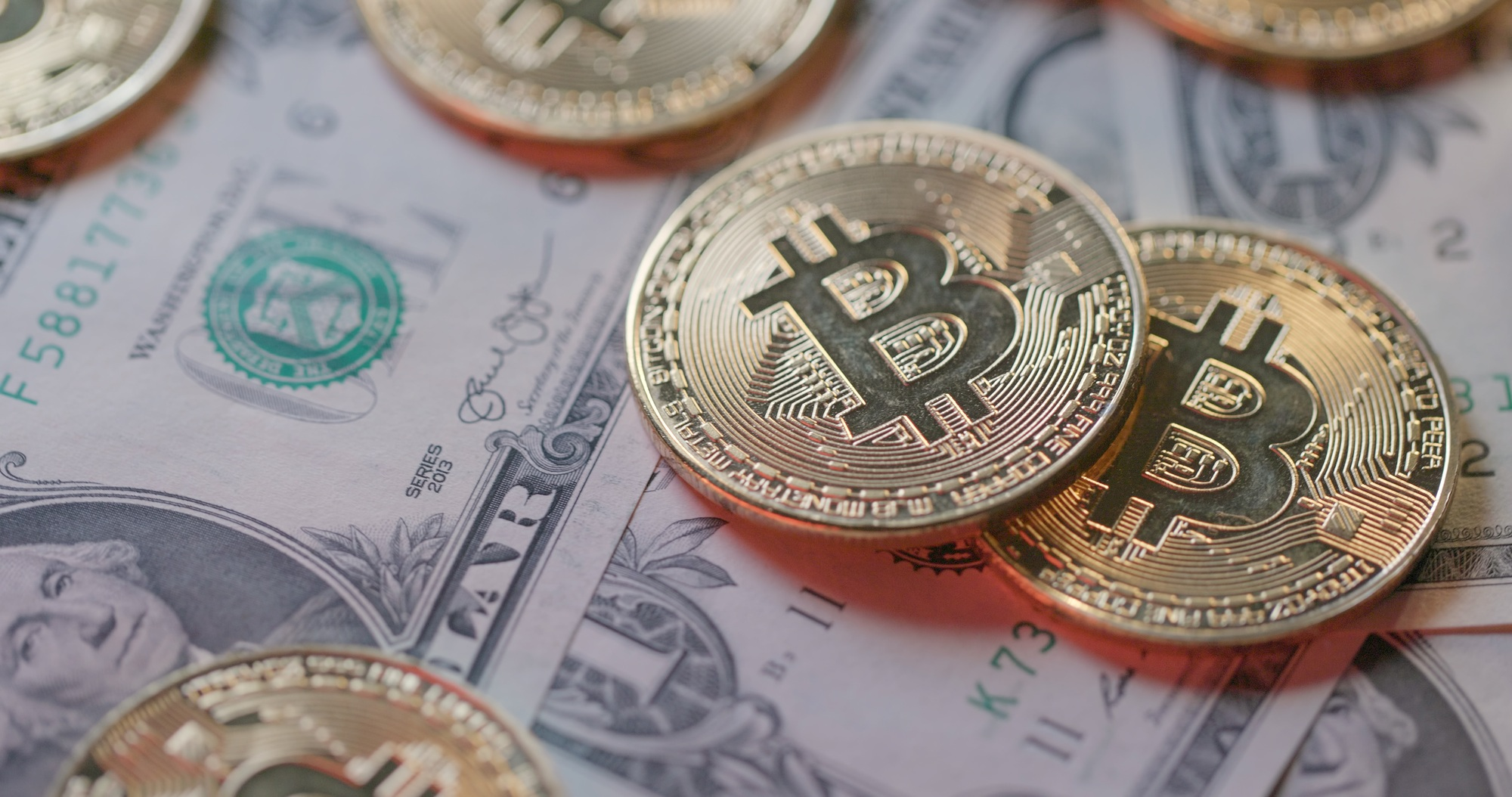
NEW YORK – Bitcoin shattered price records on Friday, soaring above $118,000 for the first time as institutional investors poured $1.18 billion into Bitcoin ETFs in their biggest single-day inflow of 2025. The flagship cryptocurrency extended its remarkable rally, rising 3% to $117,297 and reaching as high as $118,872 during overnight trading.
The surge comes after Bitcoin ETFs recorded their most successful day of the year on Thursday, with Ethereum ETFs also seeing their second-largest inflow day ever at $383.1 million. The rally marks Bitcoin’s first new record since May 22, breaking the cryptocurrency out of a months-long consolidation phase that had puzzled investors despite massive institutional buying.
Bitcoin’s latest milestone extends the cryptocurrency’s winning streak to 24 consecutive days and pushes its year-to-date gains to approximately 21%. The digital asset now trades at more than double its April low of $74,500, demonstrating the explosive volatility that has become synonymous with cryptocurrency markets.
Institutional Money Drives the Rally
The primary catalyst behind Bitcoin’s surge has been unprecedented institutional demand through exchange-traded funds. On Thursday, bitcoin ETFs logged their biggest day of inflows of 2025 at $1.18 billion, signaling that major financial institutions are significantly increasing their Bitcoin exposure.
Market analysts point to several factors driving this institutional rush. “At the heart of this rally lies sustained structural inflows from institutional players,” wrote Dilin Wu, research strategist at Pepperstone. “Corporates are also ramping up participation,” he noted, highlighting companies like MicroStrategy and GameStop that continue adding Bitcoin to their balance sheets.
The scale of institutional involvement has reached remarkable levels. Bitcoin ETFs have accumulated over $40 billion in total assets since their launch, while corporate treasuries and ETFs now control approximately 1.24 million Bitcoin – representing about 6.29% of all circulating Bitcoin.
What Investors Are Saying
The crypto community has been buzzing with excitement about Bitcoin’s breakthrough, though many had been questioning why prices hadn’t moved higher sooner given the massive institutional inflows. As one market observer noted, “ETF inflows and institutional purchases continue to climb, yet many investors are puzzled by the muted Bitcoin price action” that had persisted for months.
The answer, according to analysts, lies in the complex dynamics of supply and demand. While institutions were buying heavily, long-term Bitcoin holders were simultaneously taking profits. Over the past three months, more than 240,000 BTC from older bands has been distributed to the market, nearly a quarter-million BTC in net outflows, effectively counterbalancing institutional accumulation.
However, sentiment has shifted dramatically as this selling pressure has subsided. Market watchers are now saying “Long-term holder selling is now decelerating, with recent net outflows falling below 1,000 BTC per day,” creating the perfect conditions for Bitcoin’s explosive move higher.
Short Squeeze Amplifies the Rally
Bitcoin’s surge triggered a massive wave of forced liquidations that amplified the price movement. In the past 24 hours, bitcoin has seen more than $650 million in short liquidations and ether more than $215 million, as traders who had bet against the cryptocurrency were forced to buy back their positions.
This short squeeze phenomenon occurs when leveraged traders betting against Bitcoin’s price are forced to close their positions as losses mount, creating additional buying pressure that pushes prices even higher. The cascade effect can lead to dramatic price movements in short periods, exactly what investors witnessed during Bitcoin’s climb to $118,000.
Federal Reserve Policy and Macro Factors
The timing of Bitcoin’s breakout coincided with broader market optimism about Federal Reserve policy. The rally began more slowly on Wednesday, following the release of the minutes of the latest Federal Reserve meeting, which showed a divergence among officials about how aggressively they would be willing to cut interest rates.
Market strategist Markus Thielen explained the significance: “It’s expected that whoever comes in to lead the Fed next is going to be dovish. We also know, that saving the budget deficit has sort of been pushed under the rug,” referring to fiscal policies that could benefit Bitcoin as a hedge against currency debasement.
The broader risk-on sentiment also lifted technology stocks, with Nvidia reaching a $4 trillion valuation on the same day. Crypto analysts note that “Historically, Bitcoin has remained highly correlated with tech stocks, and this correlation is still playing out,” suggesting the rally may continue alongside broader market strength.
Corporate Adoption Accelerates
Beyond ETF flows, corporate adoption of Bitcoin as a treasury asset has accelerated dramatically. MicroStrategy, now renamed Strategy, has expanded its Bitcoin holdings to over $50 billion, while new entrants continue joining the trend. Japan’s Metaplanet added 1,004 BTC worth $129 million, while Twenty One Capital (backed by Tether and SoftBank) has launched with a Bitcoin-focused treasury model.
This corporate adoption trend has taken on new significance as companies view Bitcoin not just as an investment, but as a strategic hedge against traditional financial system risks. Trump Media & Technology Group even filed this week for approval to launch a “Crypto Blue Chip ETF” that would allocate approximately 70% of its holdings to Bitcoin.
Regulatory Tailwinds Building
Bitcoin’s surge comes just days before Congress begins “Crypto Week” on July 14, when lawmakers will debate crucial legislation that could define the industry’s regulatory framework. “A favorable outcome could accelerate institutional inflows, reinforcing Bitcoin’s role as a macro asset and strengthening confidence in compliant crypto platforms,” said Jesse Jarvis, CEO of Kaiko AI.
The regulatory environment has improved significantly compared to previous years, with President Trump expressing intention to sign comprehensive crypto regulation into law by August. This regulatory clarity has been a key factor in encouraging institutional participation, as major financial firms require clear legal frameworks before committing significant capital.
Price Targets and Future Outlook
Analysts are rapidly revising their Bitcoin price targets upward following the breakthrough above $118,000. Some of the most bullish predictions include:
Ryan Lee from Bitget Research predicts Bitcoin could reach $180,000, driven by continued institutional inflows and Bitcoin’s limited supply. Tracy Jin from MEXC estimates $150,000, citing Bitcoin’s growing role in investment portfolios. Technical analysis from Changelly suggests Bitcoin could reach $137,854 by the end of July and potentially trade above $130,000 through August.
The sustainability of this rally appears more robust than previous cycles, primarily because it’s driven by institutional rather than retail investors. As one analyst noted, “Unlike the retail-driven frenzy of previous bull markets, the current rally is primarily fueled by institutional investors with longer investment horizons.”
Market Impact Beyond Bitcoin
Bitcoin’s surge has lifted the entire cryptocurrency sector and related stocks. Ethereum rose nearly 6%, crossing back above $3,000 for the first time since February. Bitcoin mining companies Mara Holdings and Riot Platforms gained 2.5% and 1.5% respectively, while Bitcoin proxy MicroStrategy surged almost 3%.
Cryptocurrency trading platforms also benefited from the increased activity, with Coinbase and Robinhood both posting gains of around 1%. The broader impact demonstrates how Bitcoin’s performance continues to influence the entire digital asset ecosystem.
What’s Driving the “Why is Bitcoin Going Up” Searches
The sudden surge has sparked intense interest from both new and experienced investors, with many asking “why is Bitcoin going up” as the cryptocurrency breaks into uncharted territory. The answer lies in a perfect confluence of factors: massive institutional demand, reduced selling pressure from long-term holders, favorable regulatory developments, and broader macroeconomic conditions supporting risk assets.
For many observers, Bitcoin’s rise to $118,000 represents validation of the cryptocurrency’s evolution from a speculative digital token to a legitimate institutional asset class. As one market participant summarized, “The combination of ETF adoption, corporate treasury adoption, and regulatory clarity has created a foundation for sustained institutional interest that wasn’t present in previous Bitcoin bull markets.”
With Bitcoin now trading at record highs and institutional demand showing no signs of slowing, the cryptocurrency appears poised to continue its remarkable journey toward mainstream financial acceptance – though investors should remain mindful of the inherent volatility that defines digital asset markets.